

Osteria alla Staffa
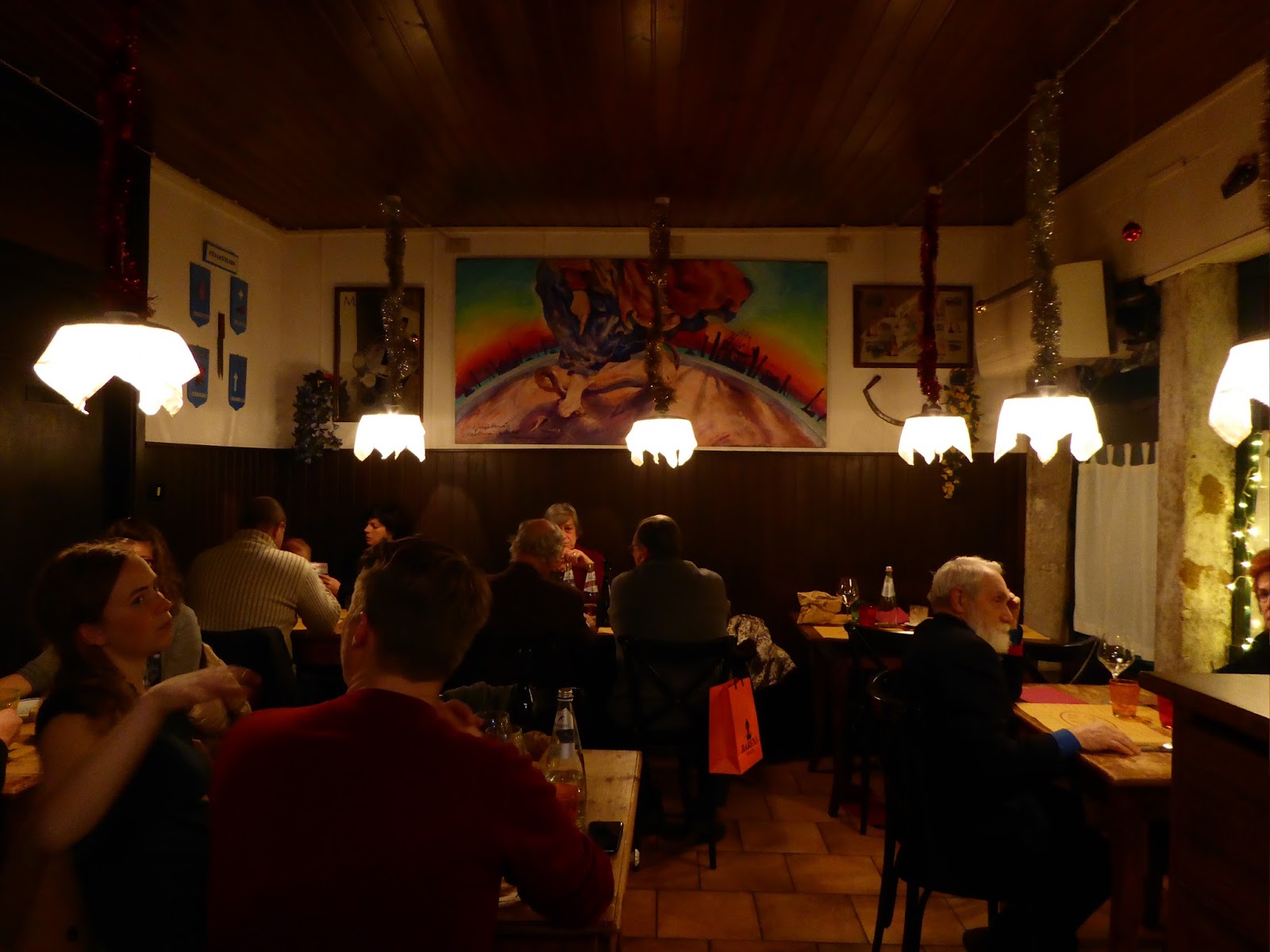
We ate dinner on our first night at Osteria alla Staffa, a small, rustic Italian restaurant which we’d come across on Tripadvisor.
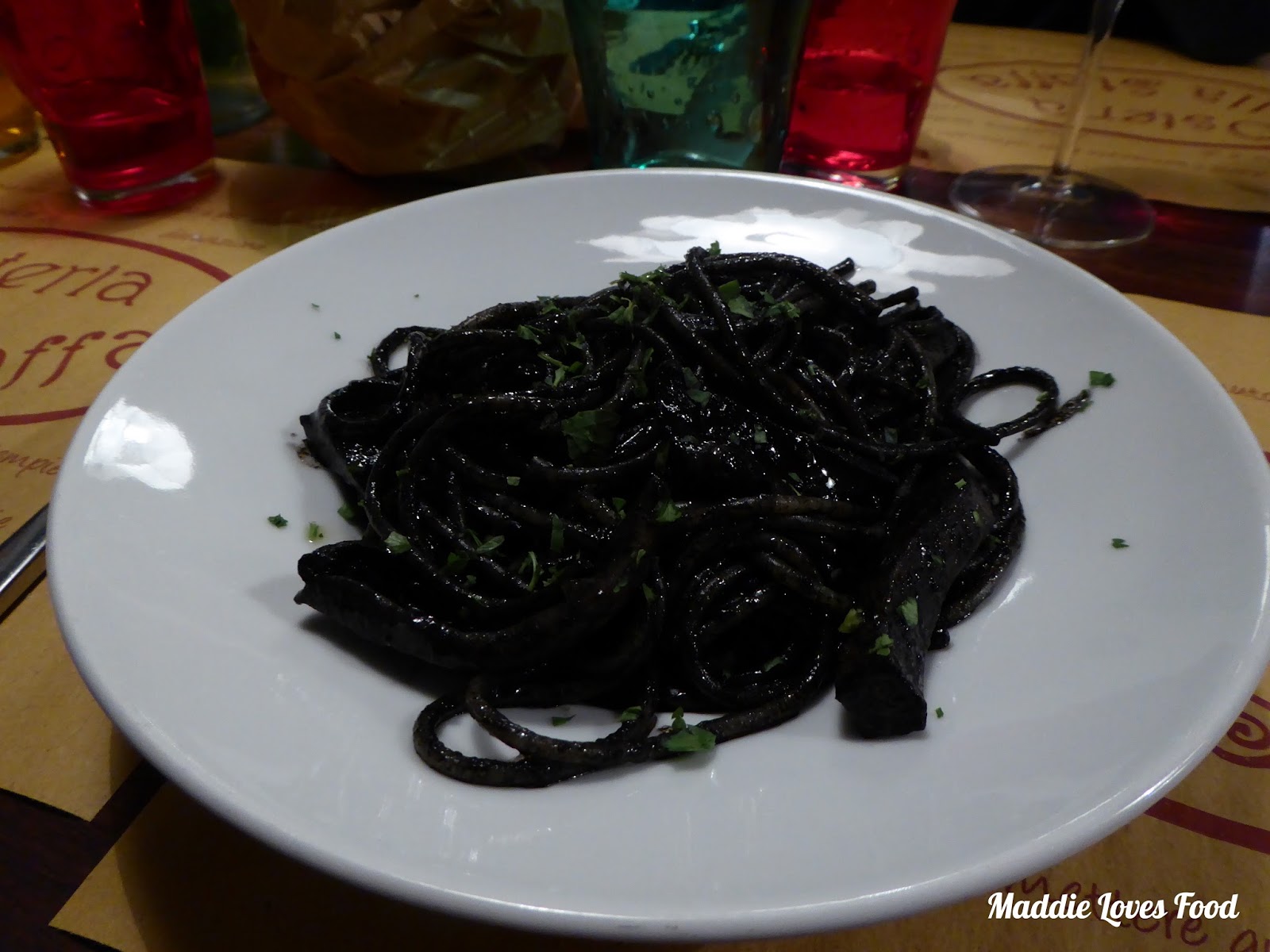
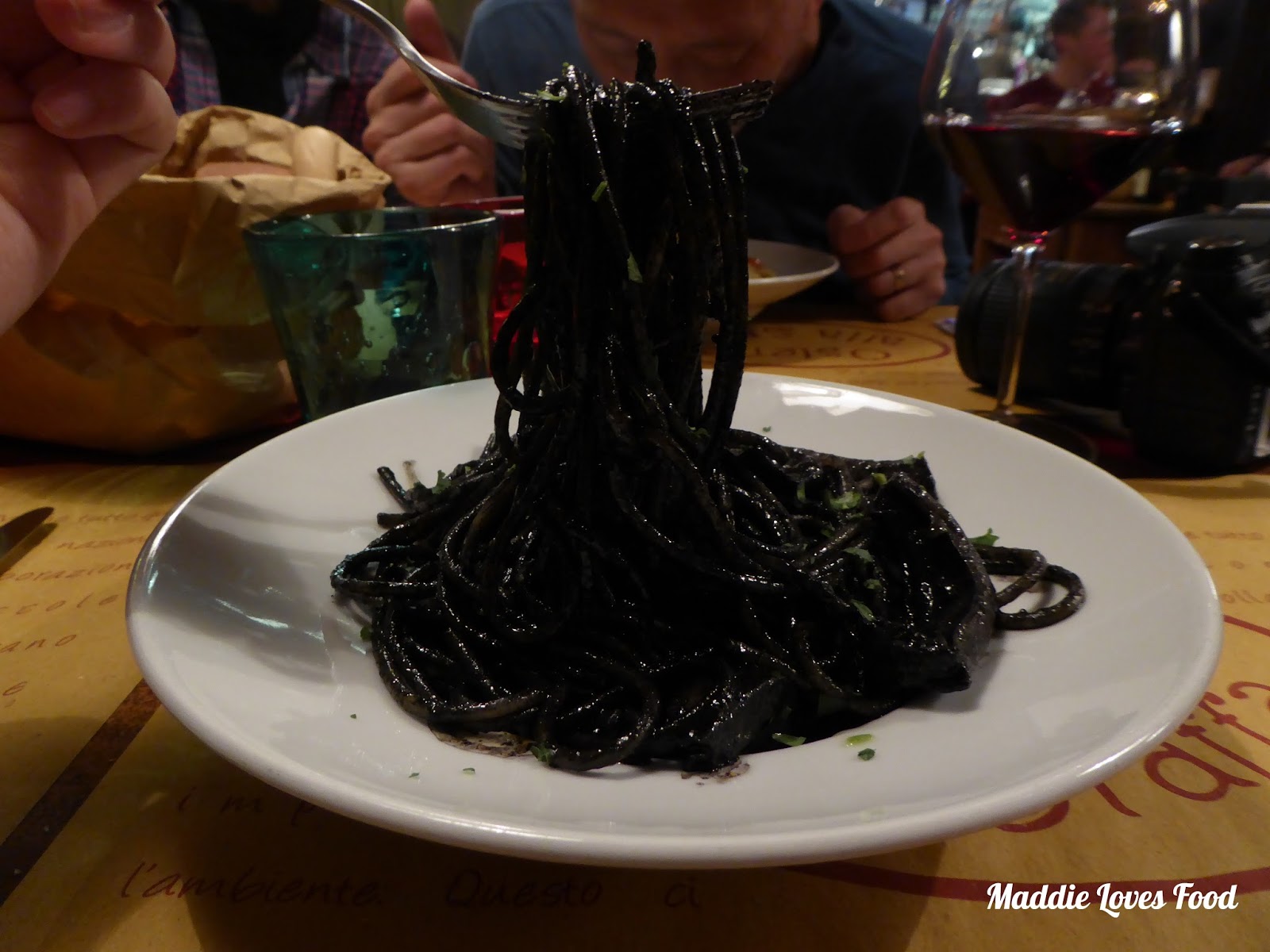
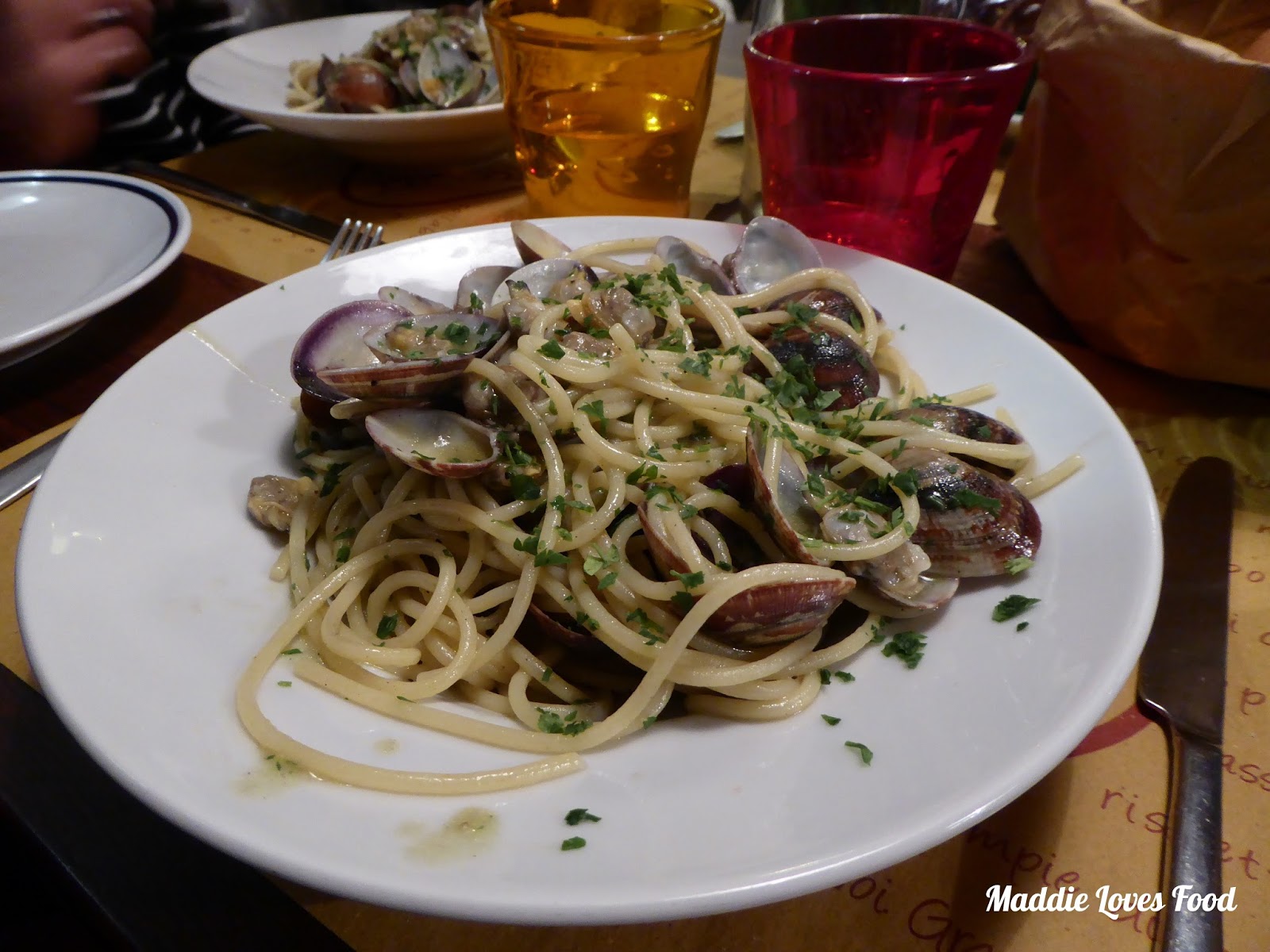
It only seats about 25 diners, and is a true, locally-run Italian osteria. As Venice is famous for its seafood, being surrounded by water, we browsed the menu and all we went for the seafood dishes.
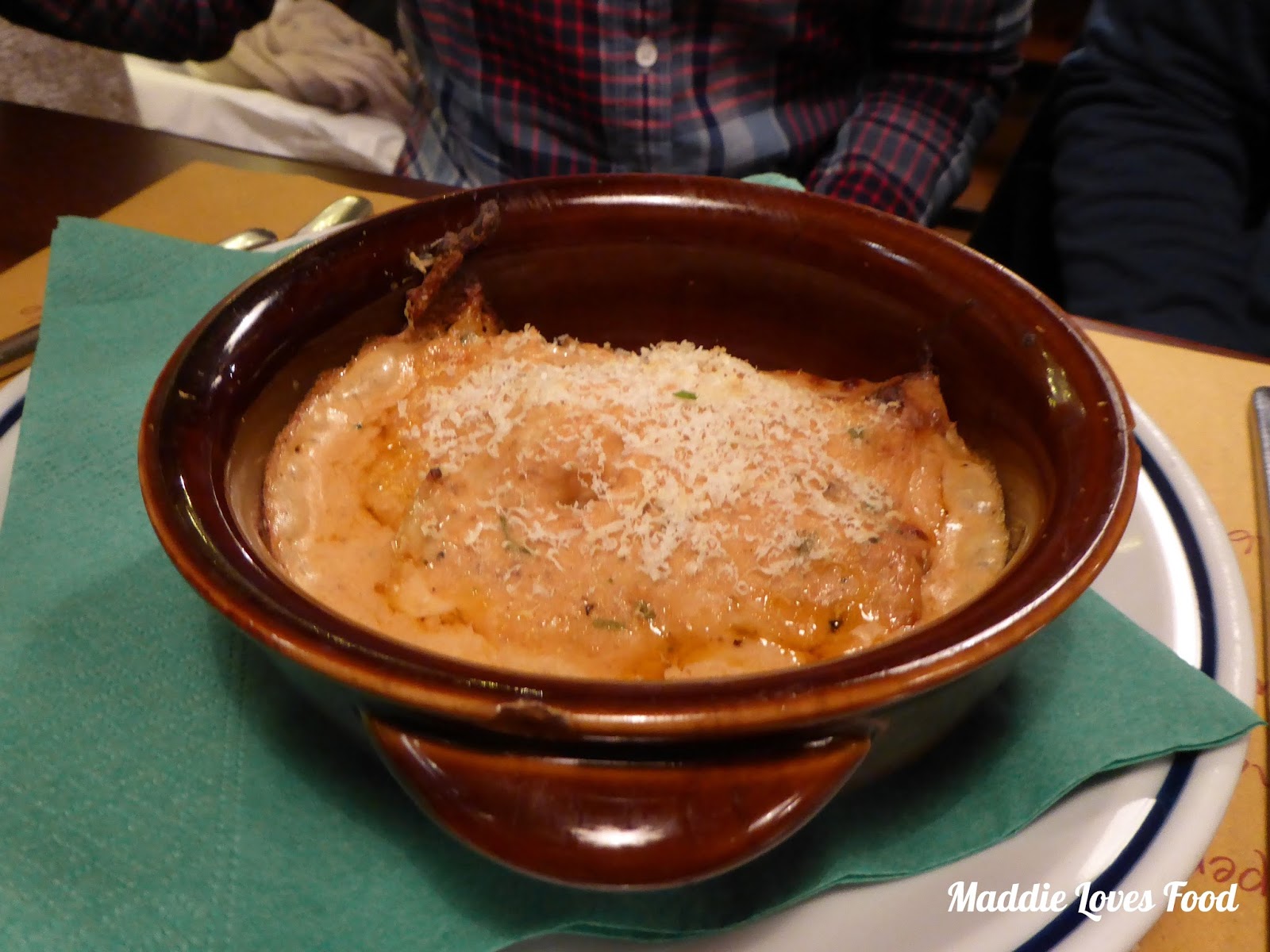
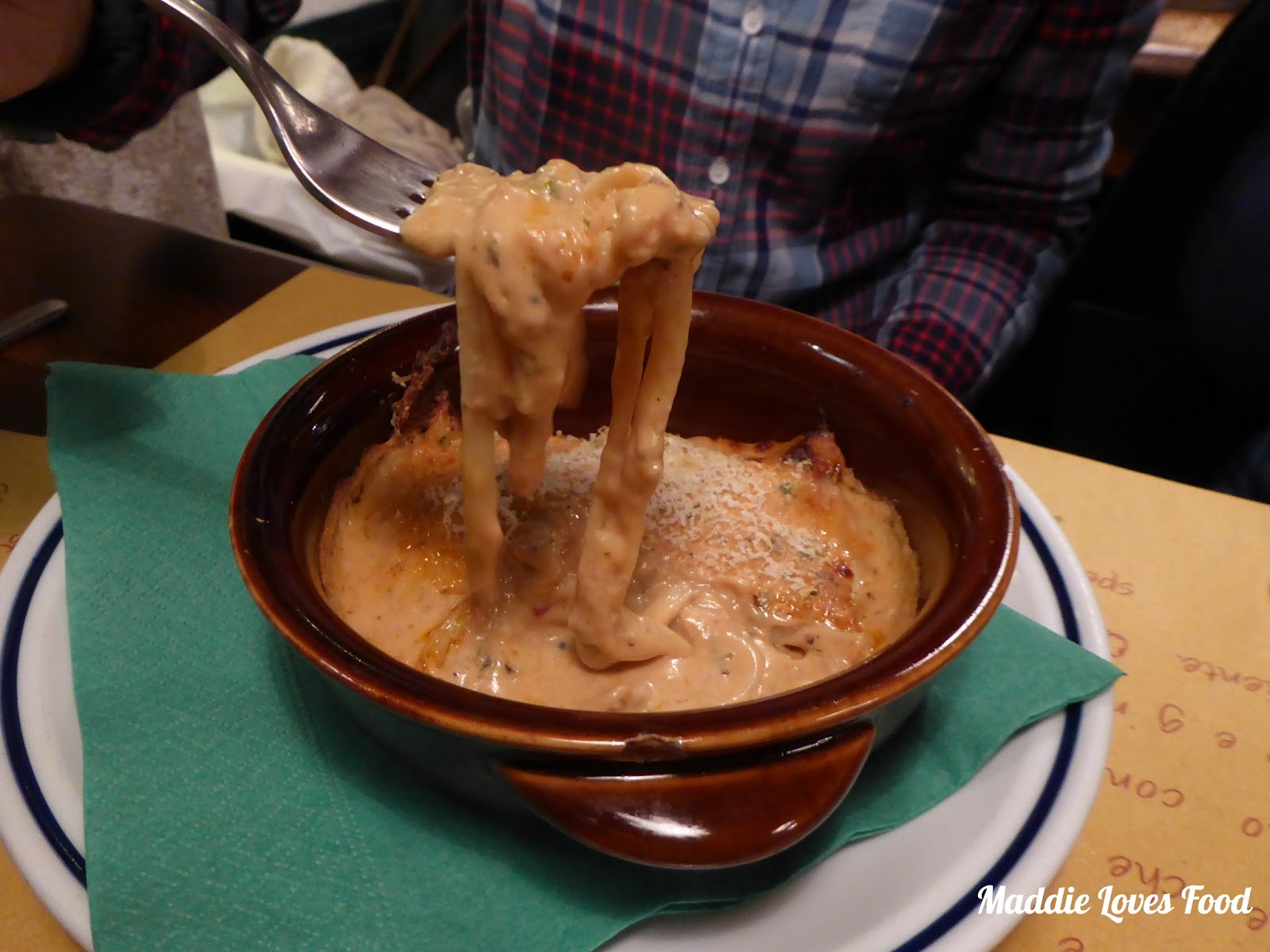
It arrived bubbling hot from the oven; the flavour of the scampi in the sauce noticeable, but subtle.
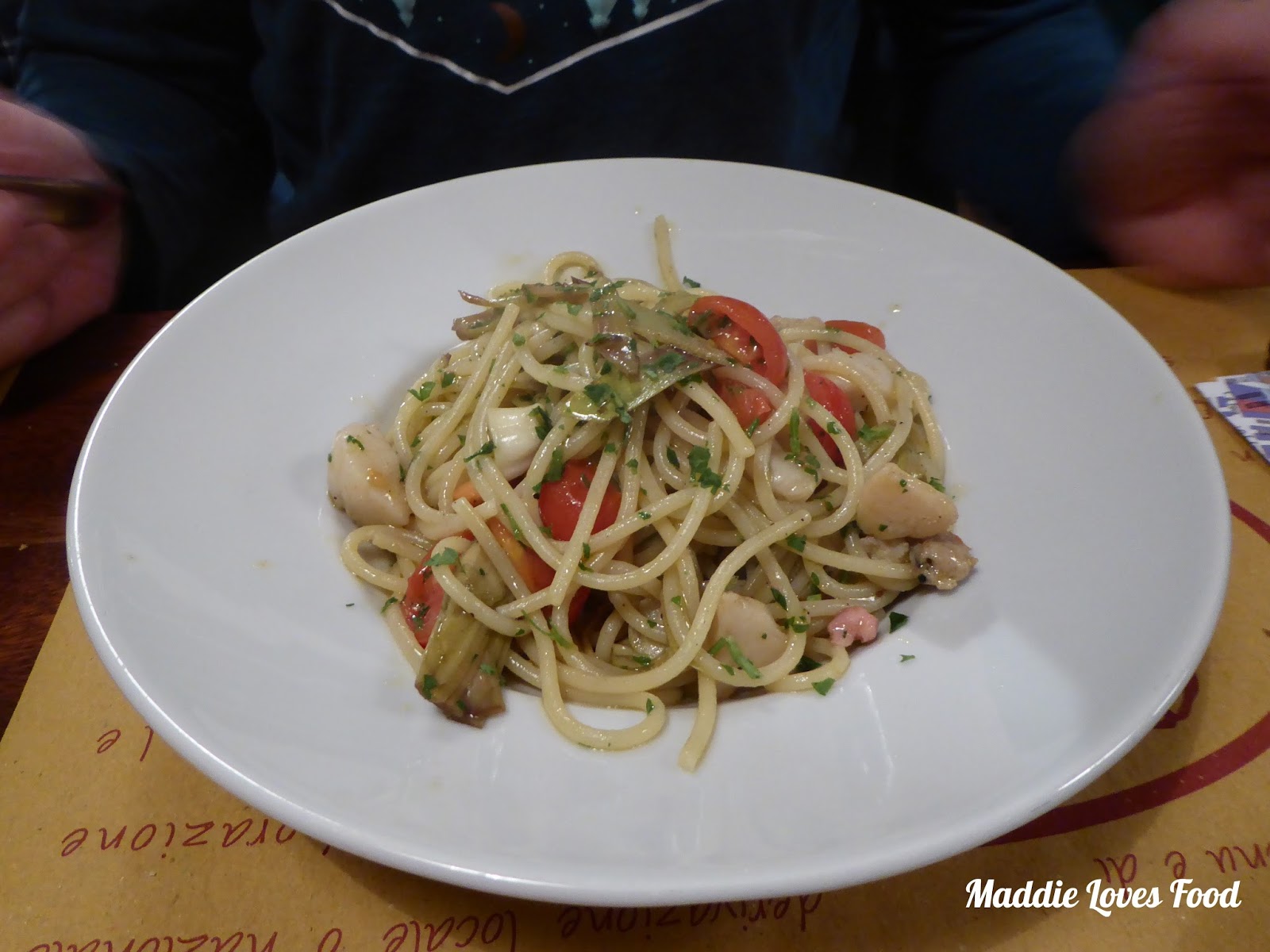
Dad said this was the best pasta he’d ever had. It consisted of spaghetti tossed with scallops, cherry tomatoes and artichokes in a light seafood oil. As with the other pastas, this sung of the flavours of the sea. We struggle to figure out how it is that this pasta dish sounds and looks so simple, yet tastes so extraordinary.

In addition to our pasta, we also ordered grilled baby calamari, which came in a thick, ‘Venetian-style’ seafood sauce with batons of zucchini and cherry tomatoes. A drizzle of balsamic added an uncanny sweet dimension that we weren’t not quite sure was necessary flavour-wise.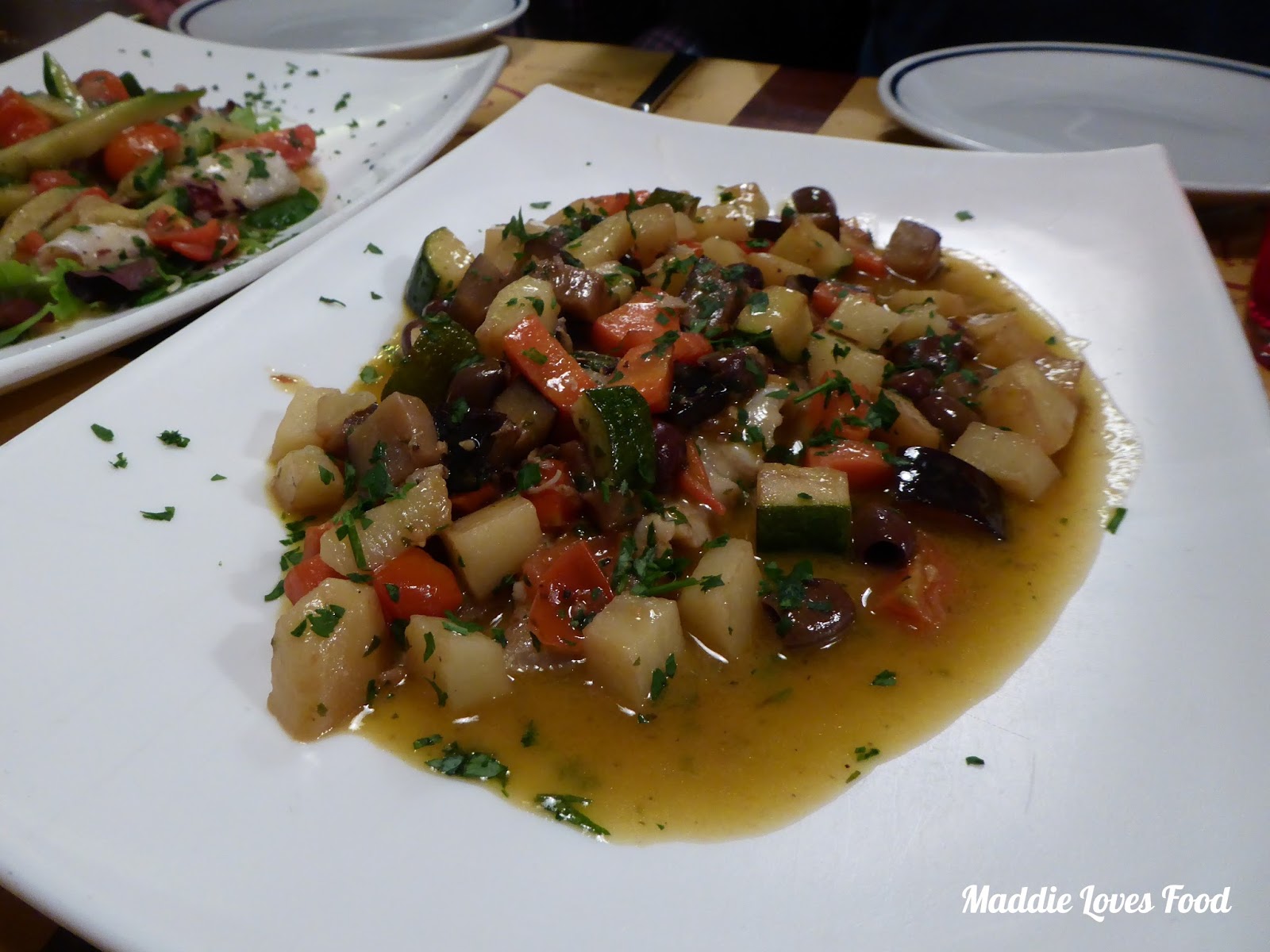
Not quite knowing what fish this was when we ordered it, we take a bite to find it was skate – a firm, slightly sweet fish with a very unique, gummy-like texture. It was almost disguised as a vegetable, as it had been diced into the same sized pieces as the accompanying zucchini, potato, tomato and olives. This reminded me of a seafood-like caponata-cross-ratatouille, only with more of a fish-based sauce. 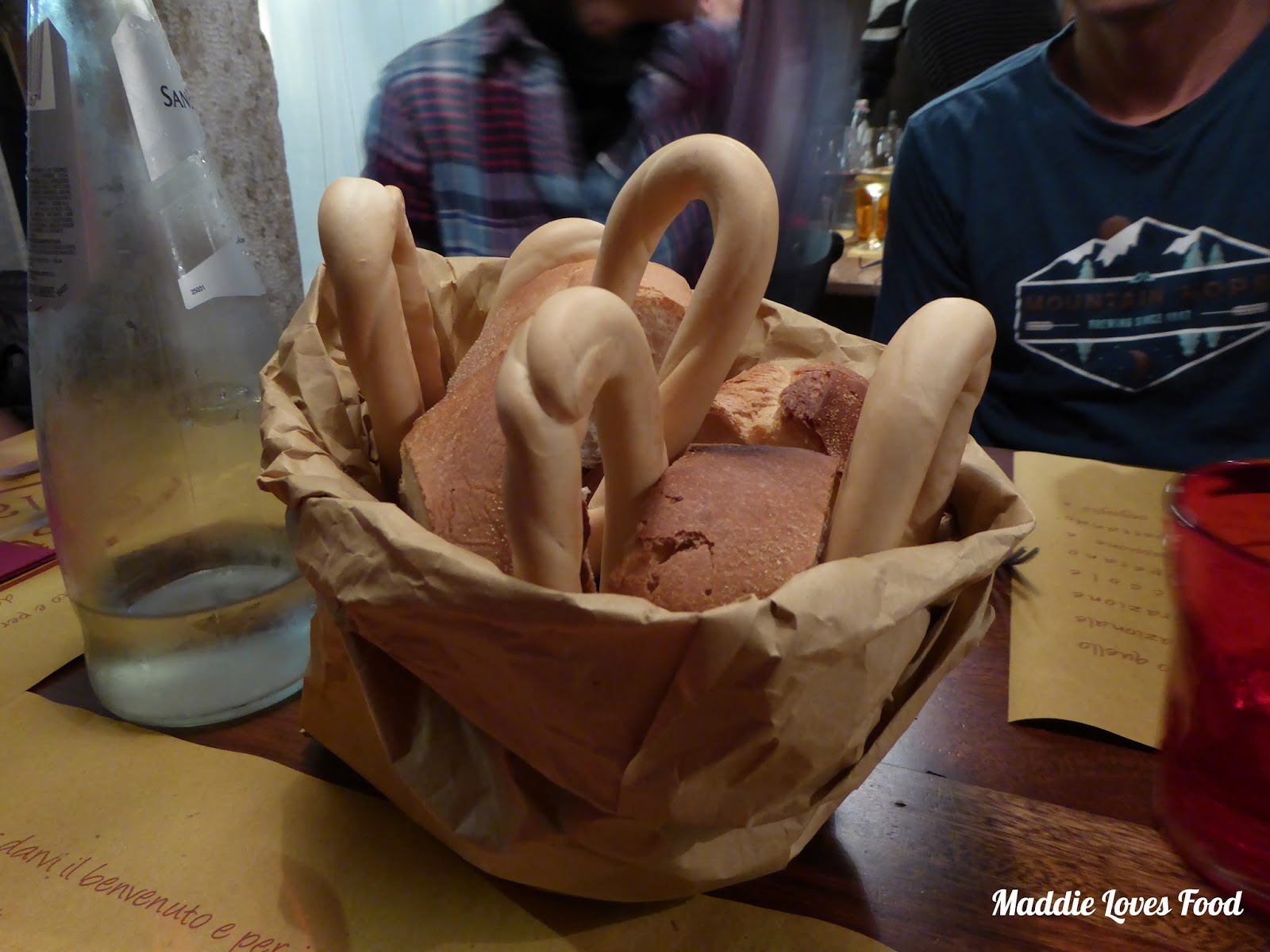
This bread basket served at the start of our meal was probably one of the most amusing bread baskets we had on the trip.
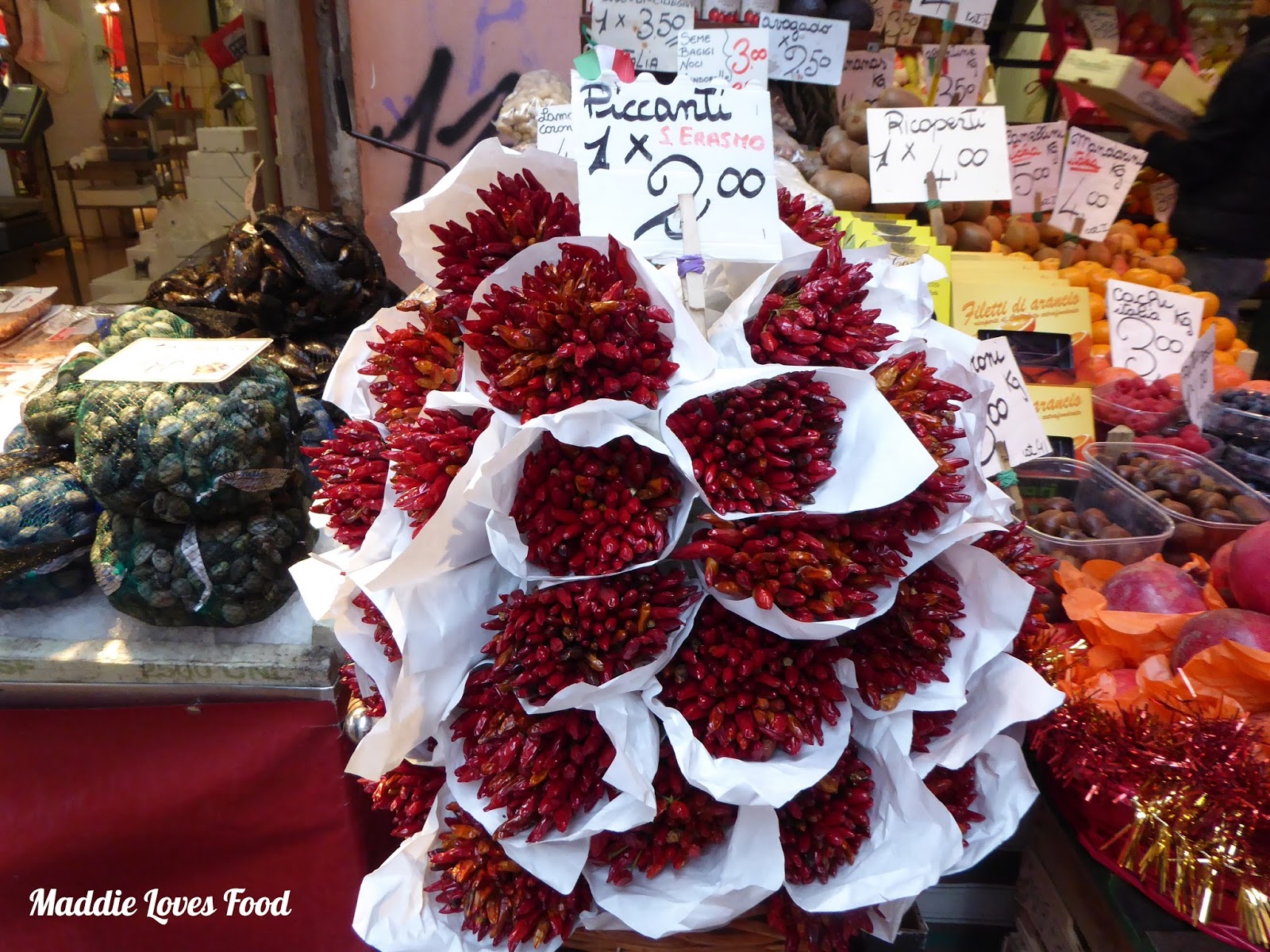
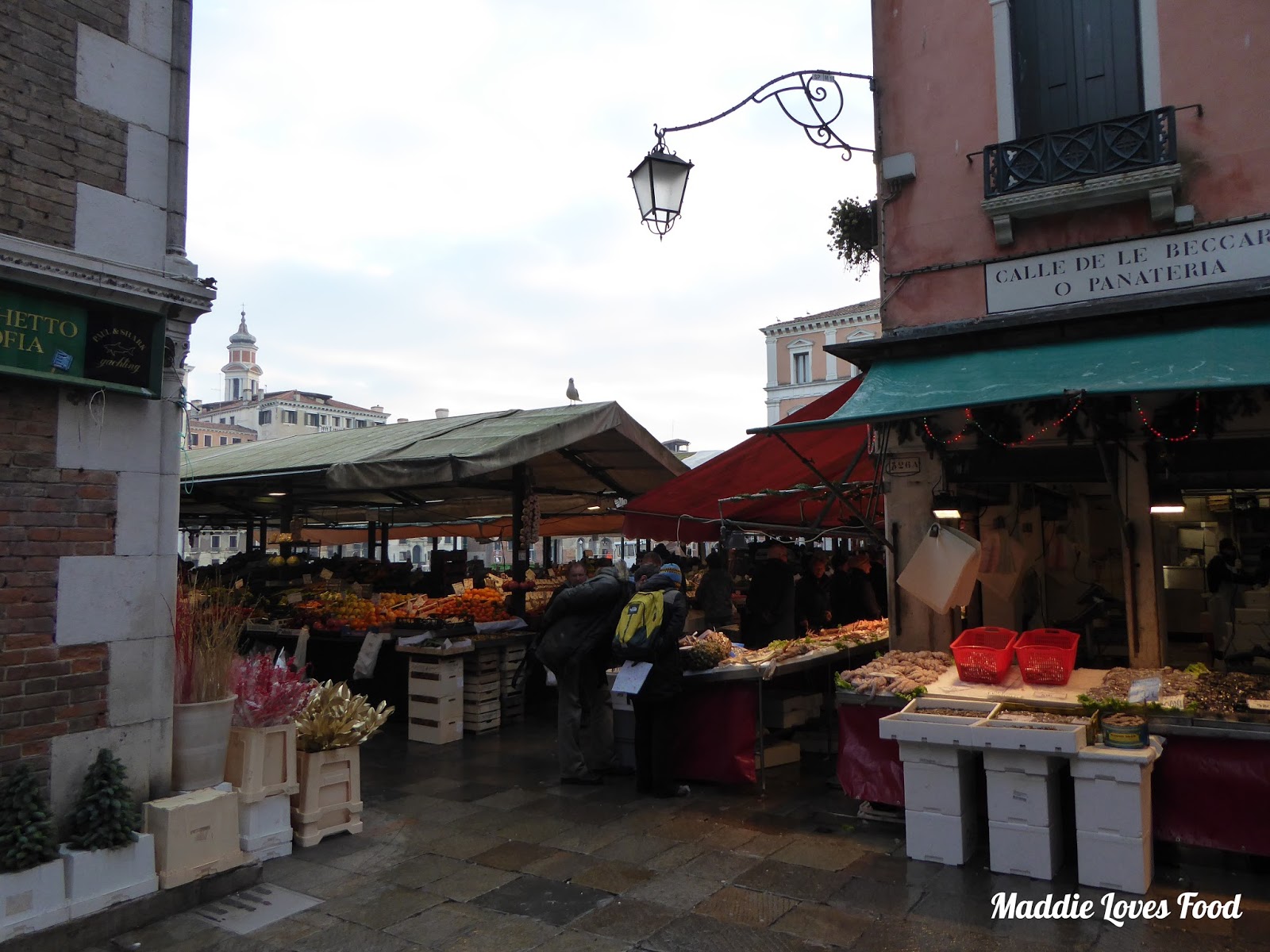
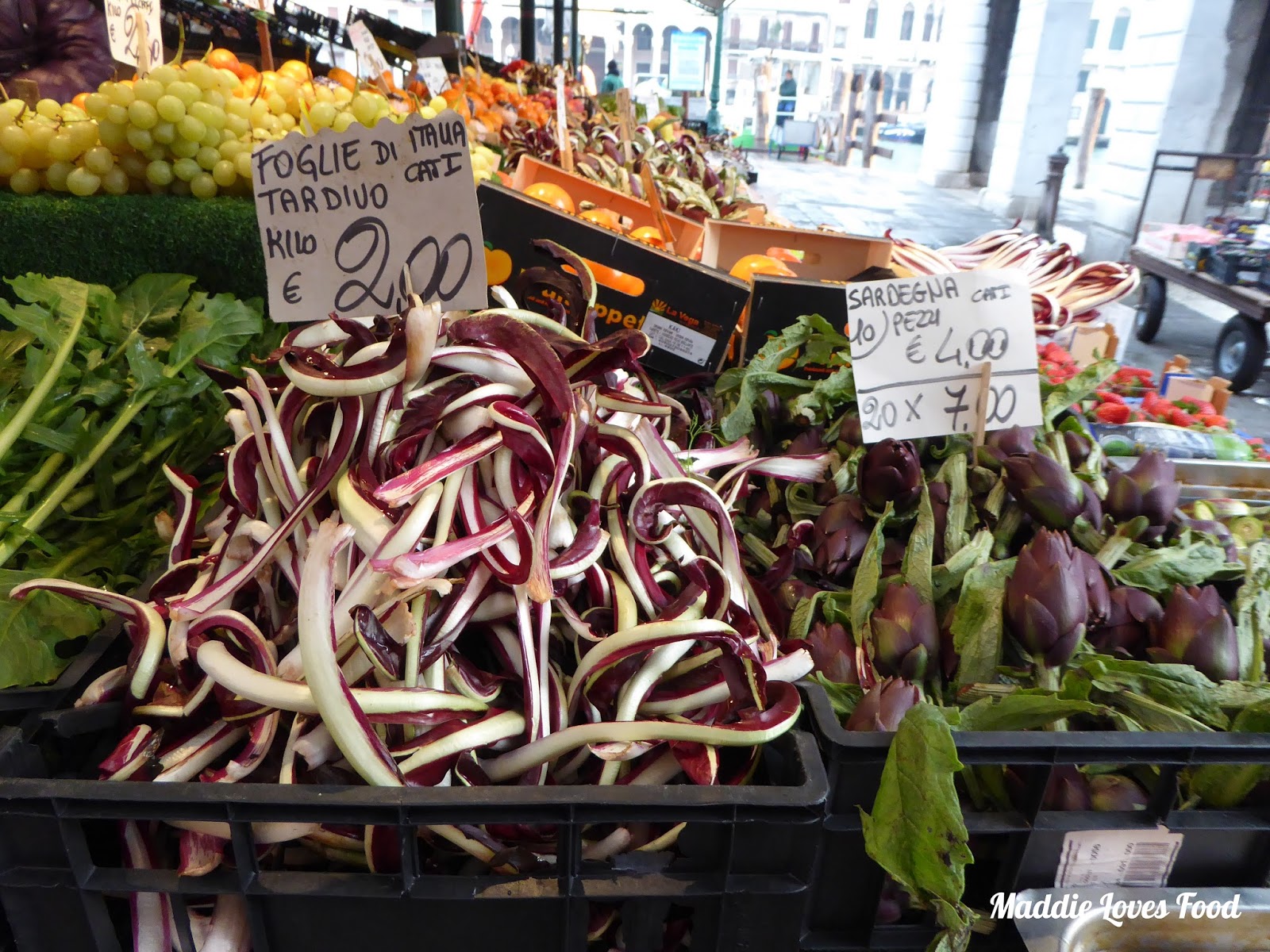
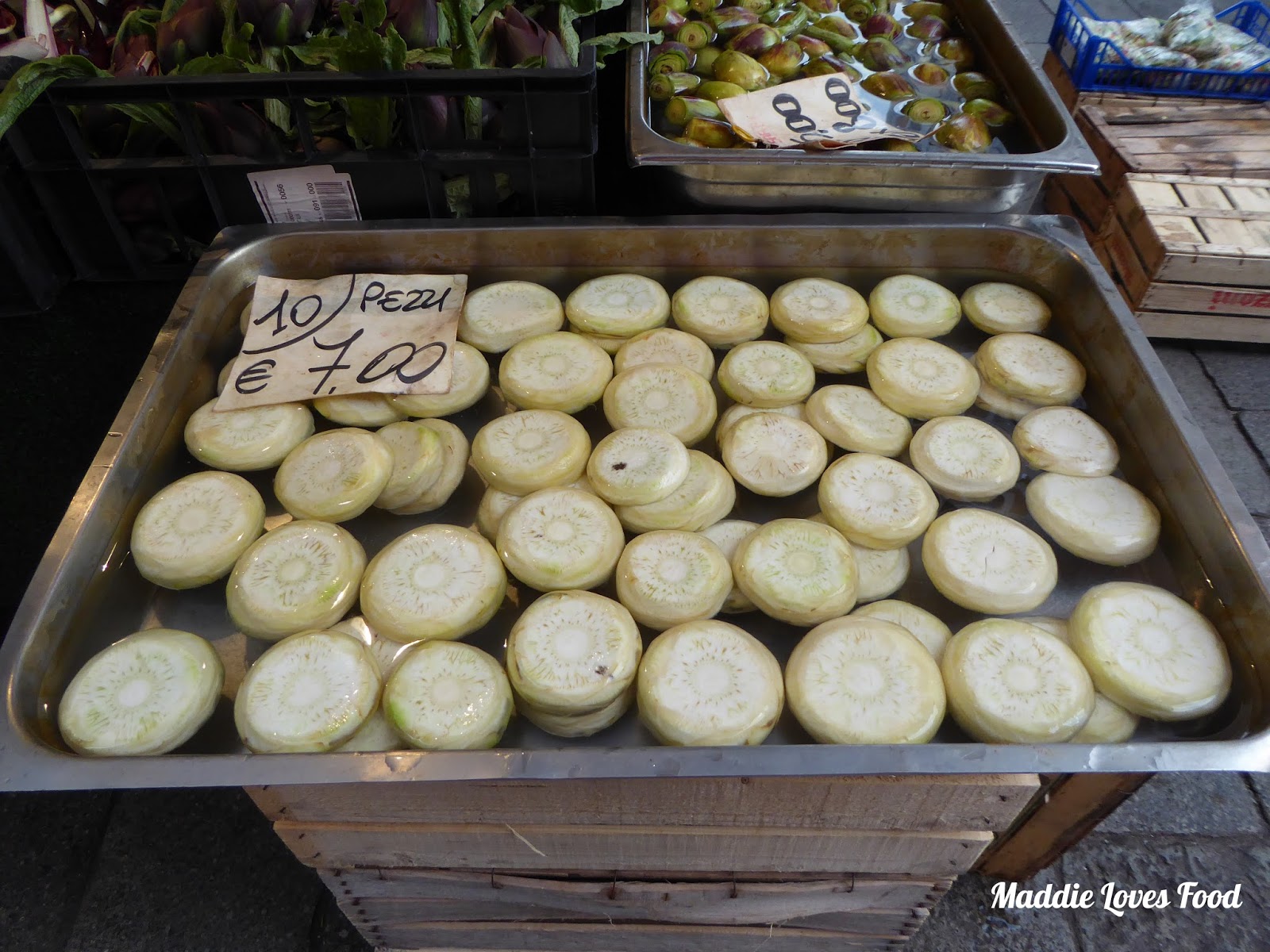
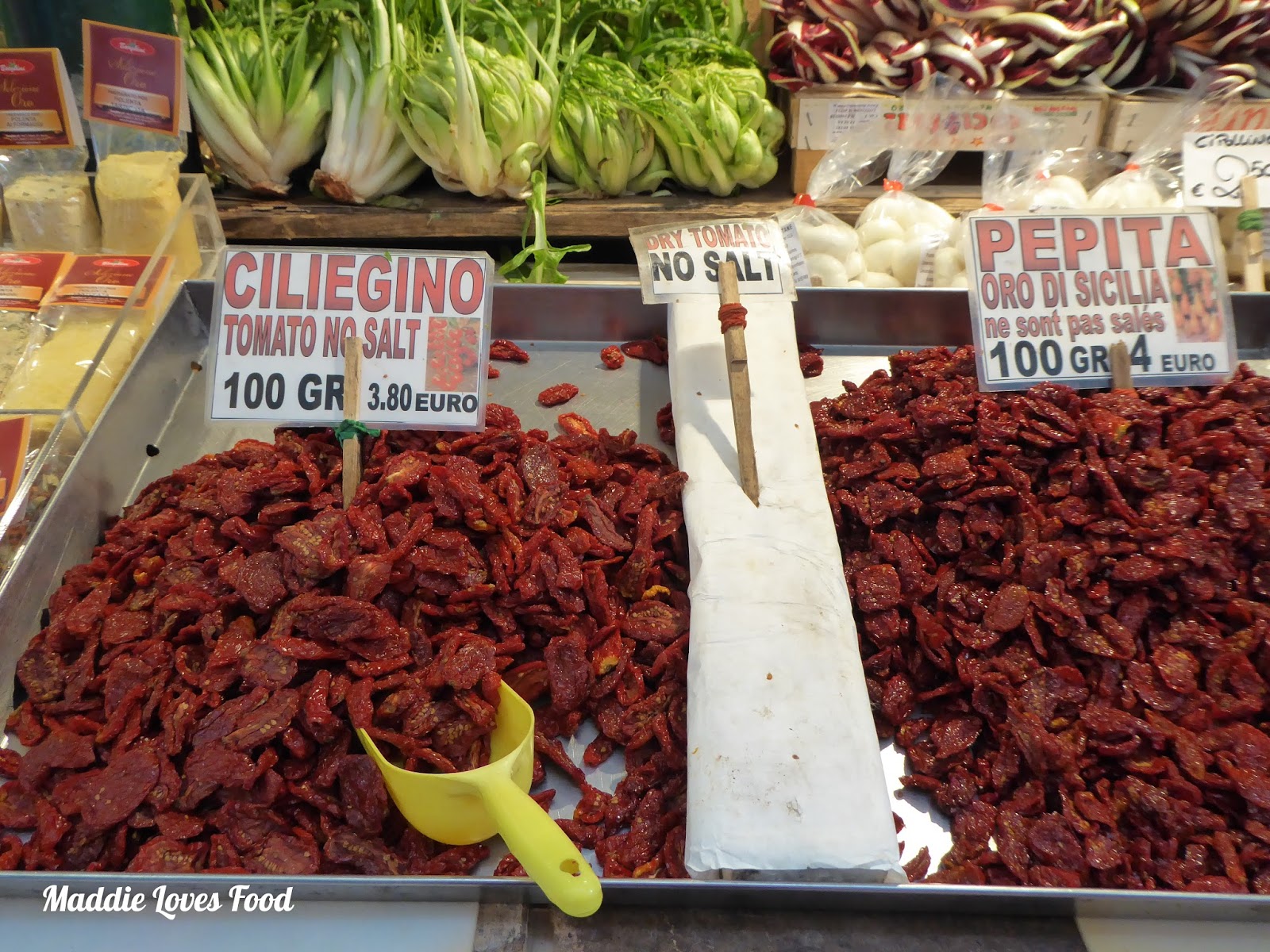
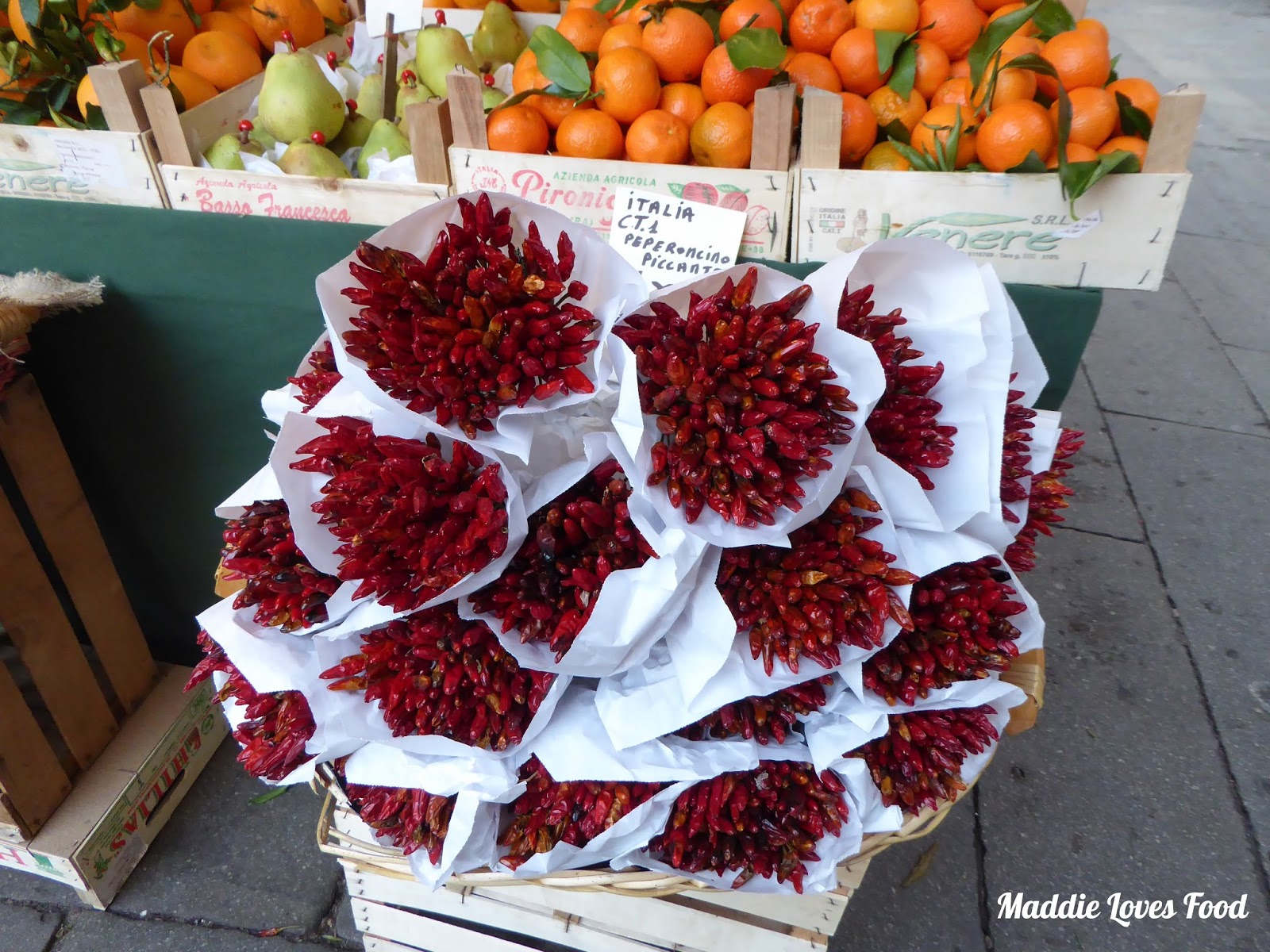
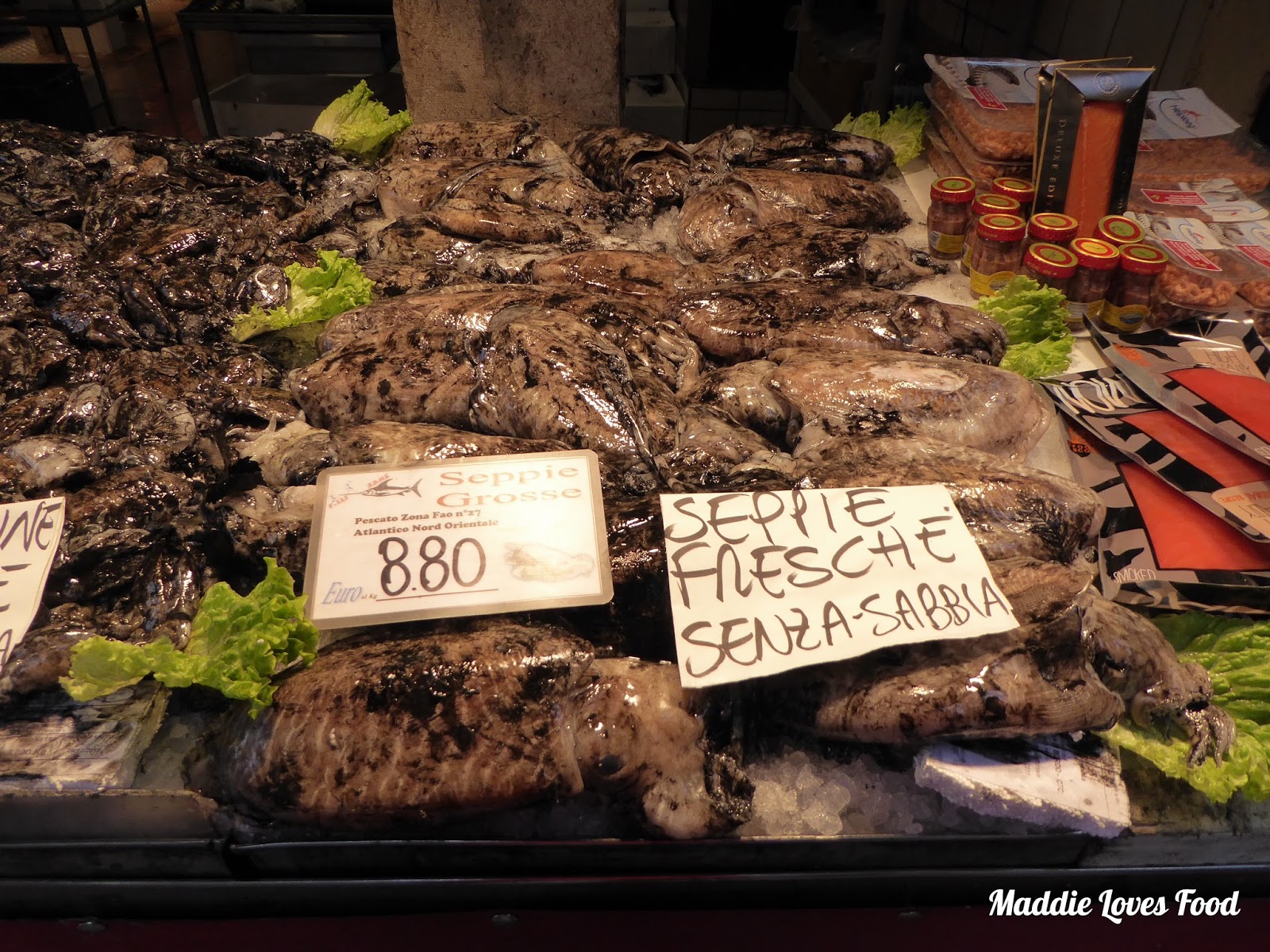
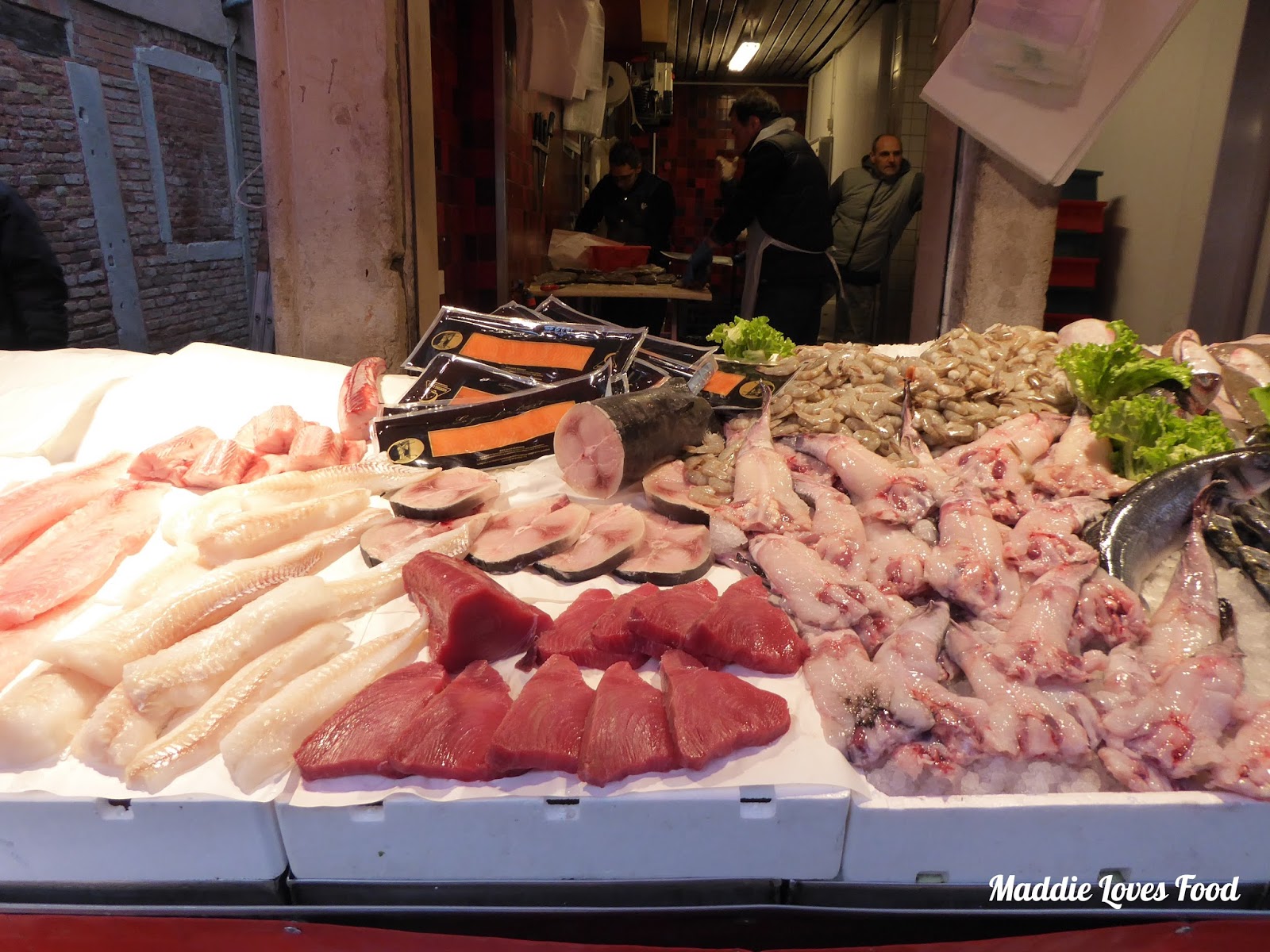
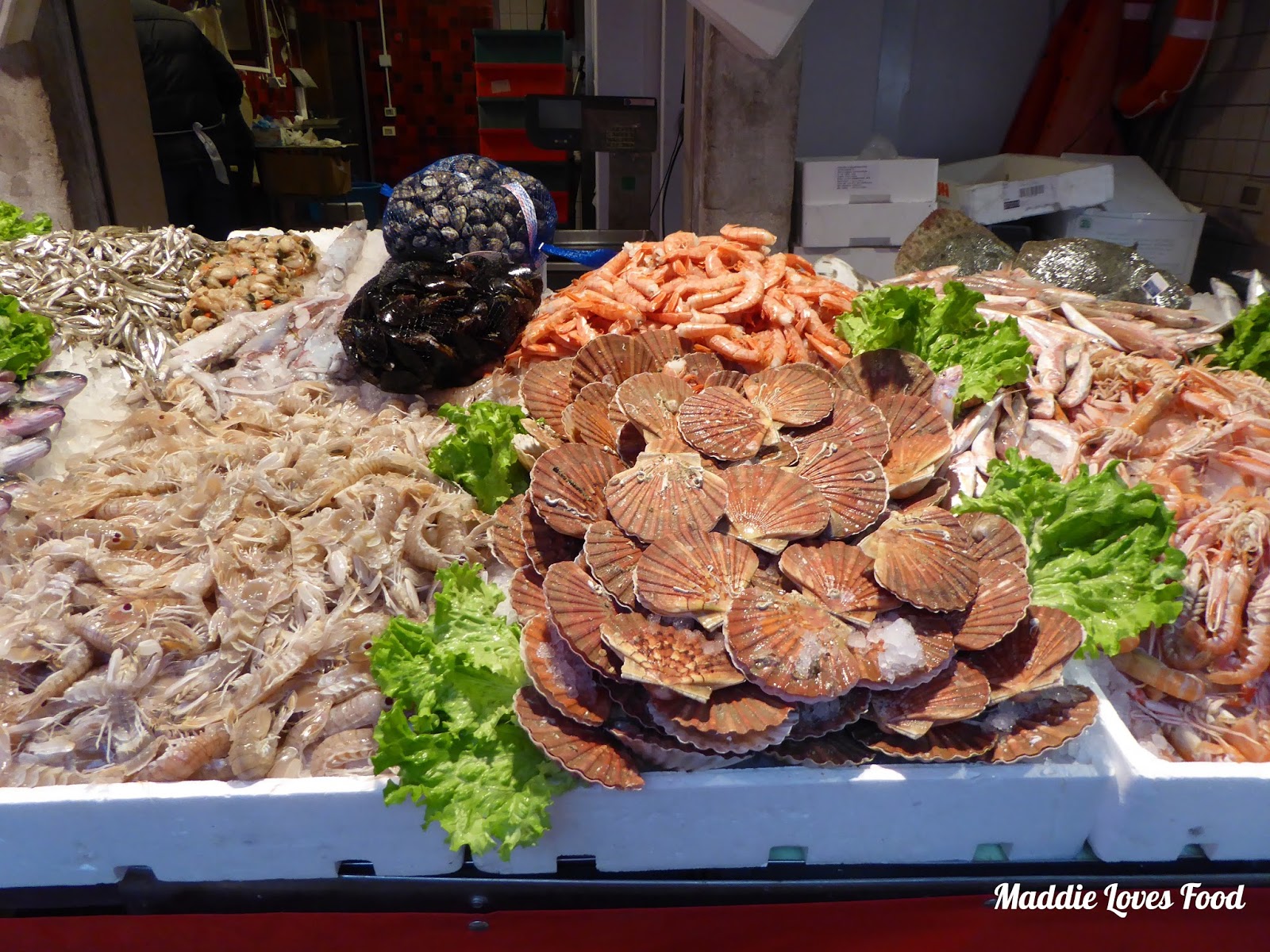


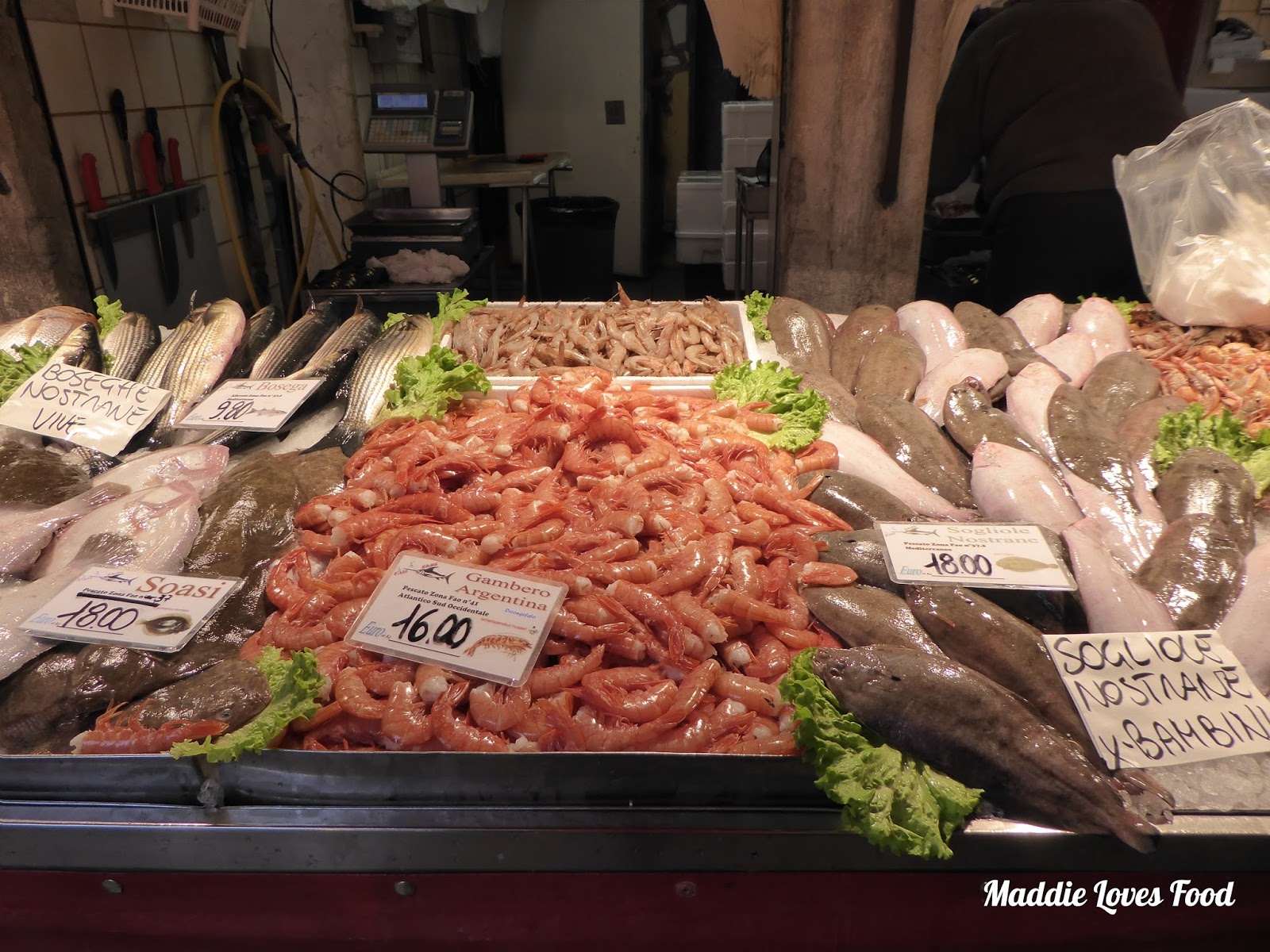
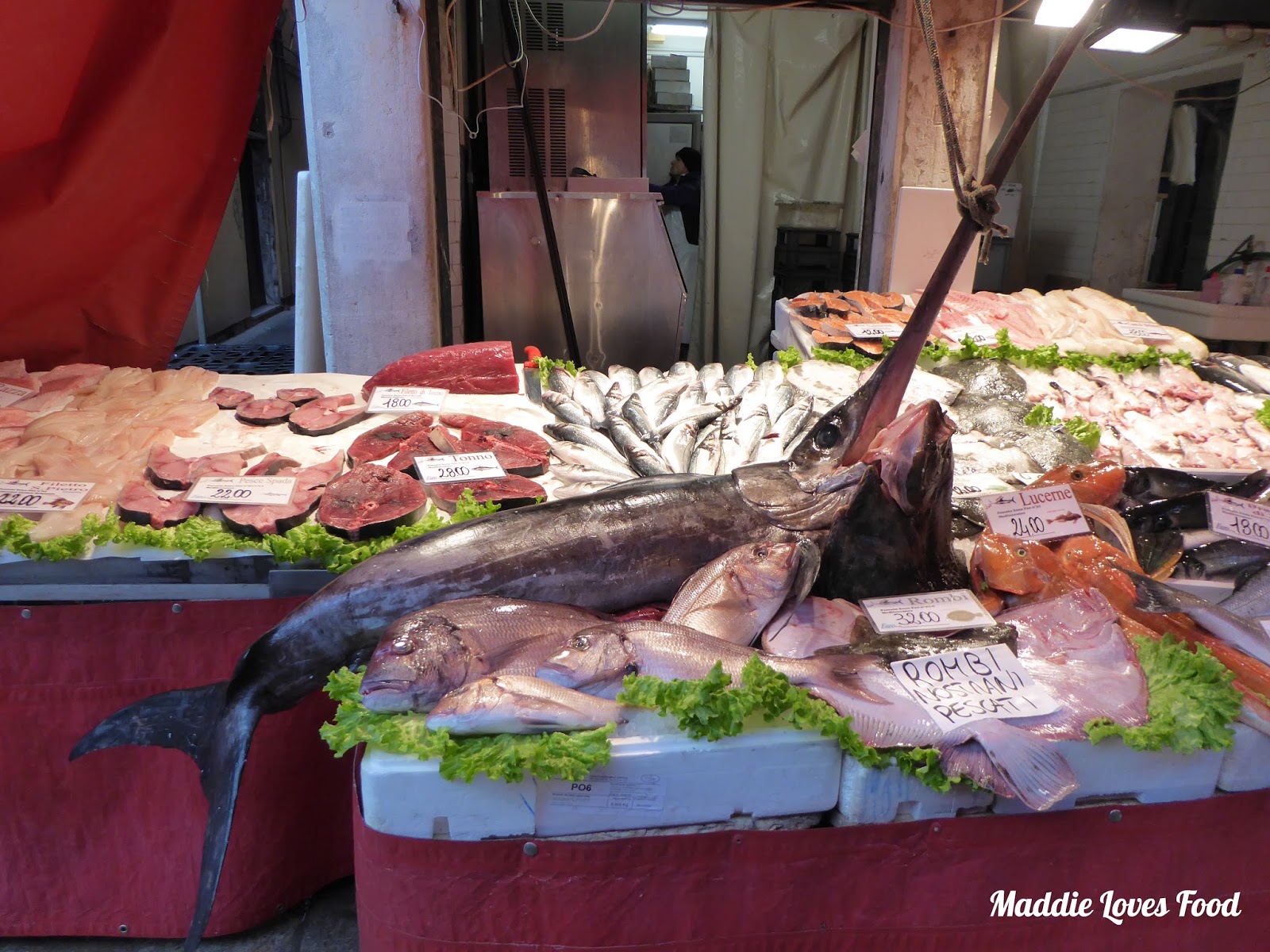
There was so much to see, and all of it so vibrant and fresh. The sheer abundance and variety of food sold at the markets was amazing – no wonder it’s so easy for locals to duck out each morning to buy everything they need for the day.
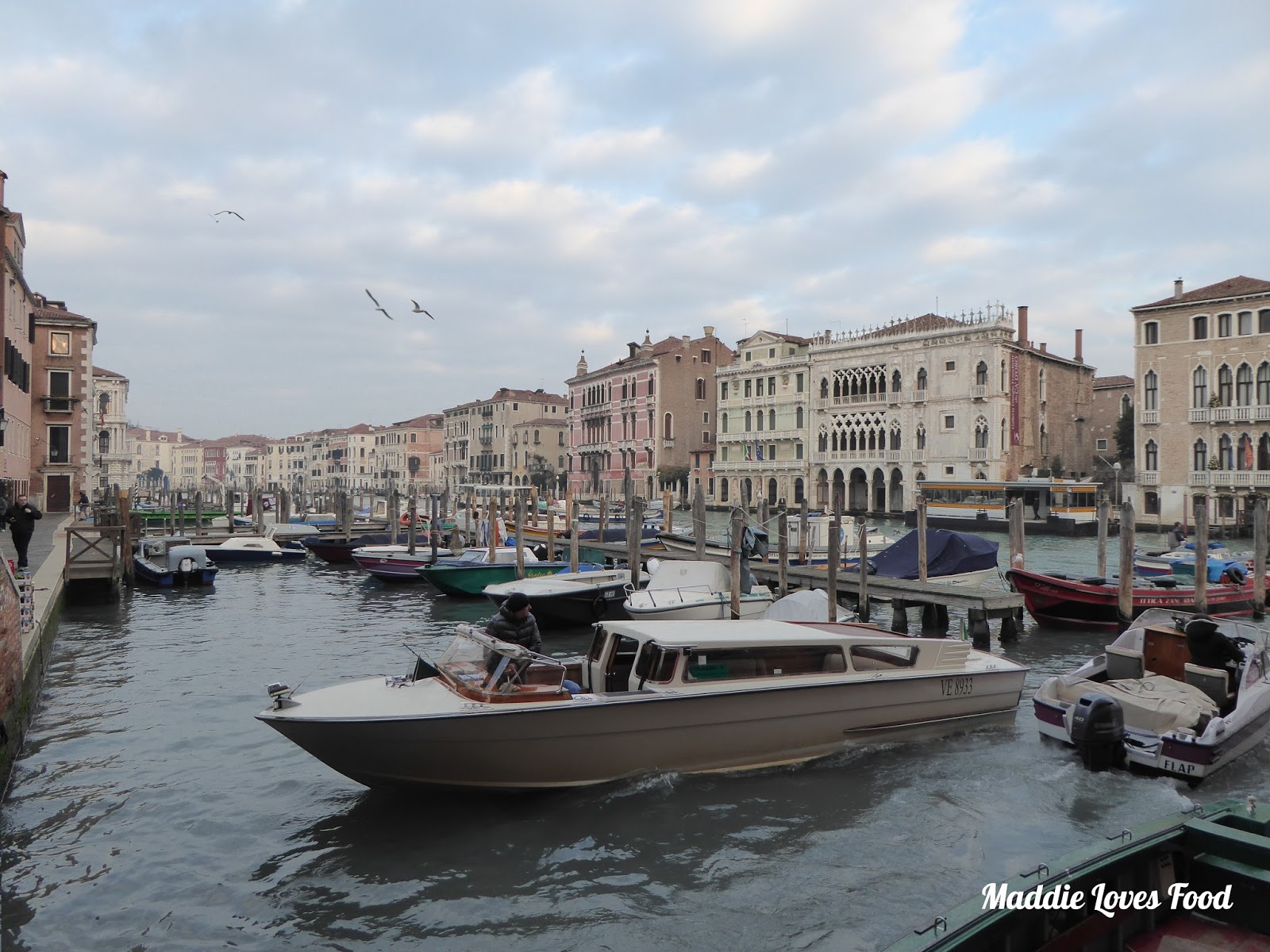
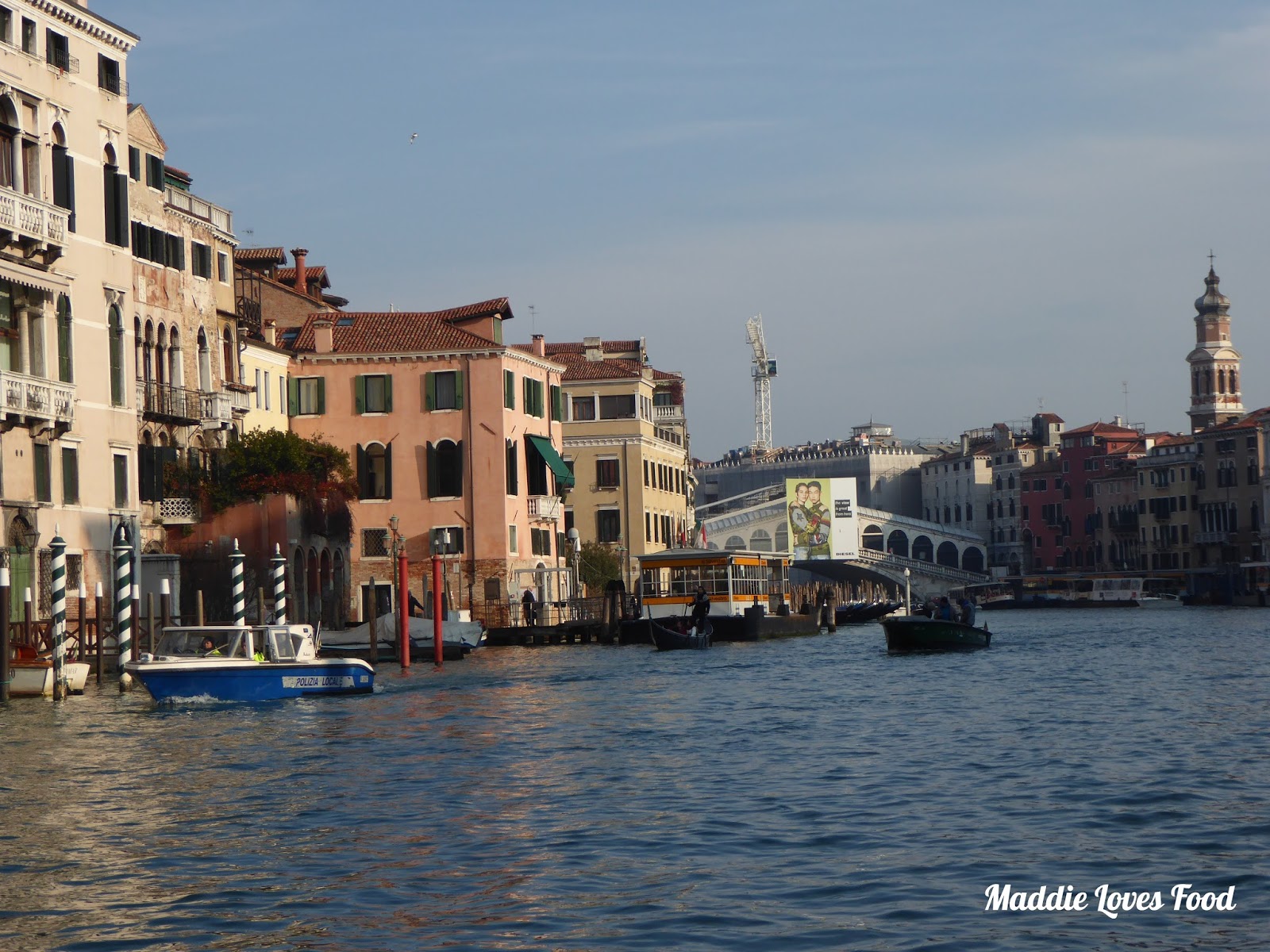
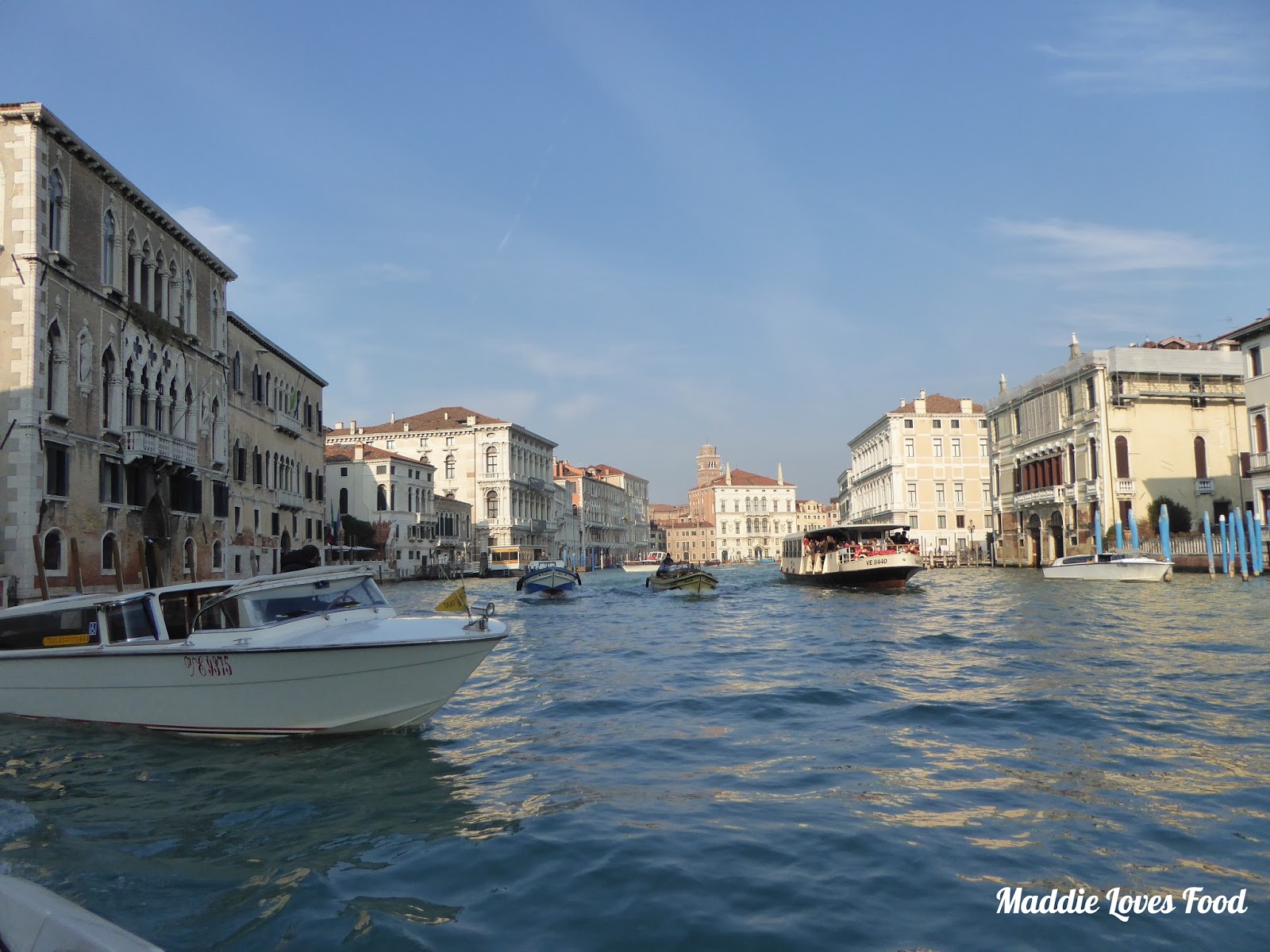
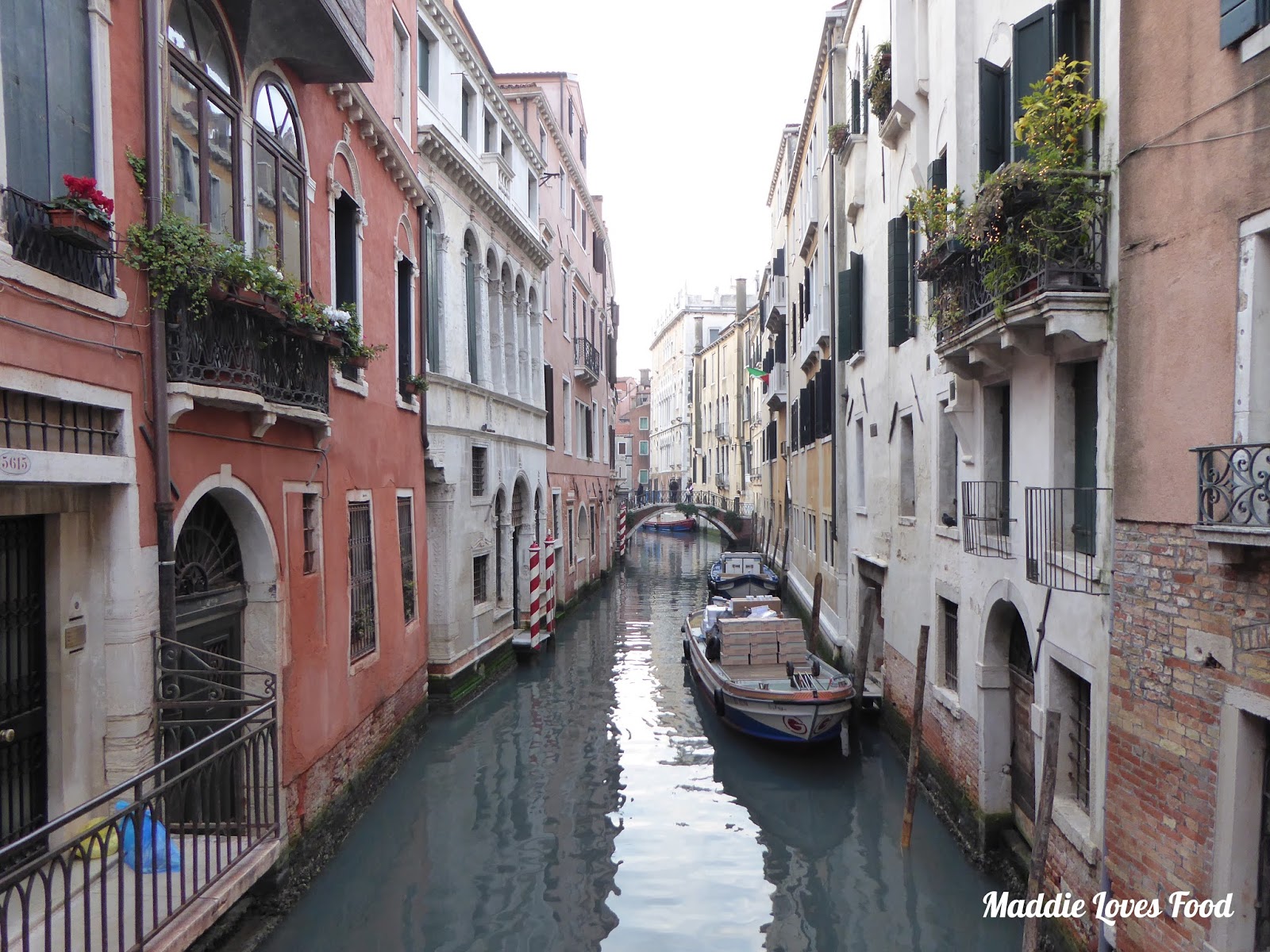
But, the smaller, more narrow canals provide respite from the busier waterways. These are calm, quiet channels, many of which are home to private boats moored next to the homes of local residents. Imagine having a boat to ferry you around each day instead of a car! It’s a uniquely Venetian lifestyle. 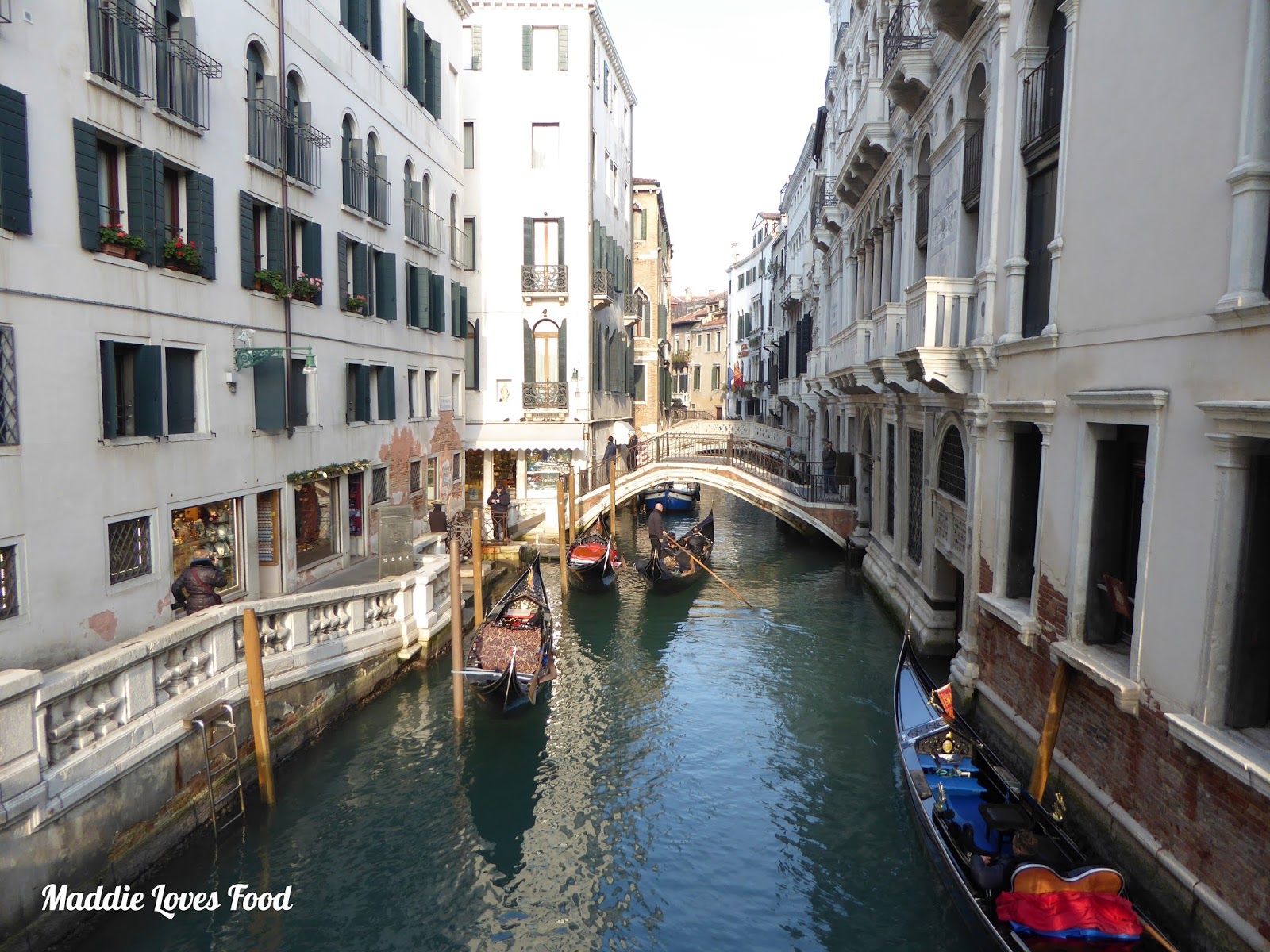
Gorgeous, iron-railed bridges perch above the still waters. They’re old and ageing, but charming nevertheless.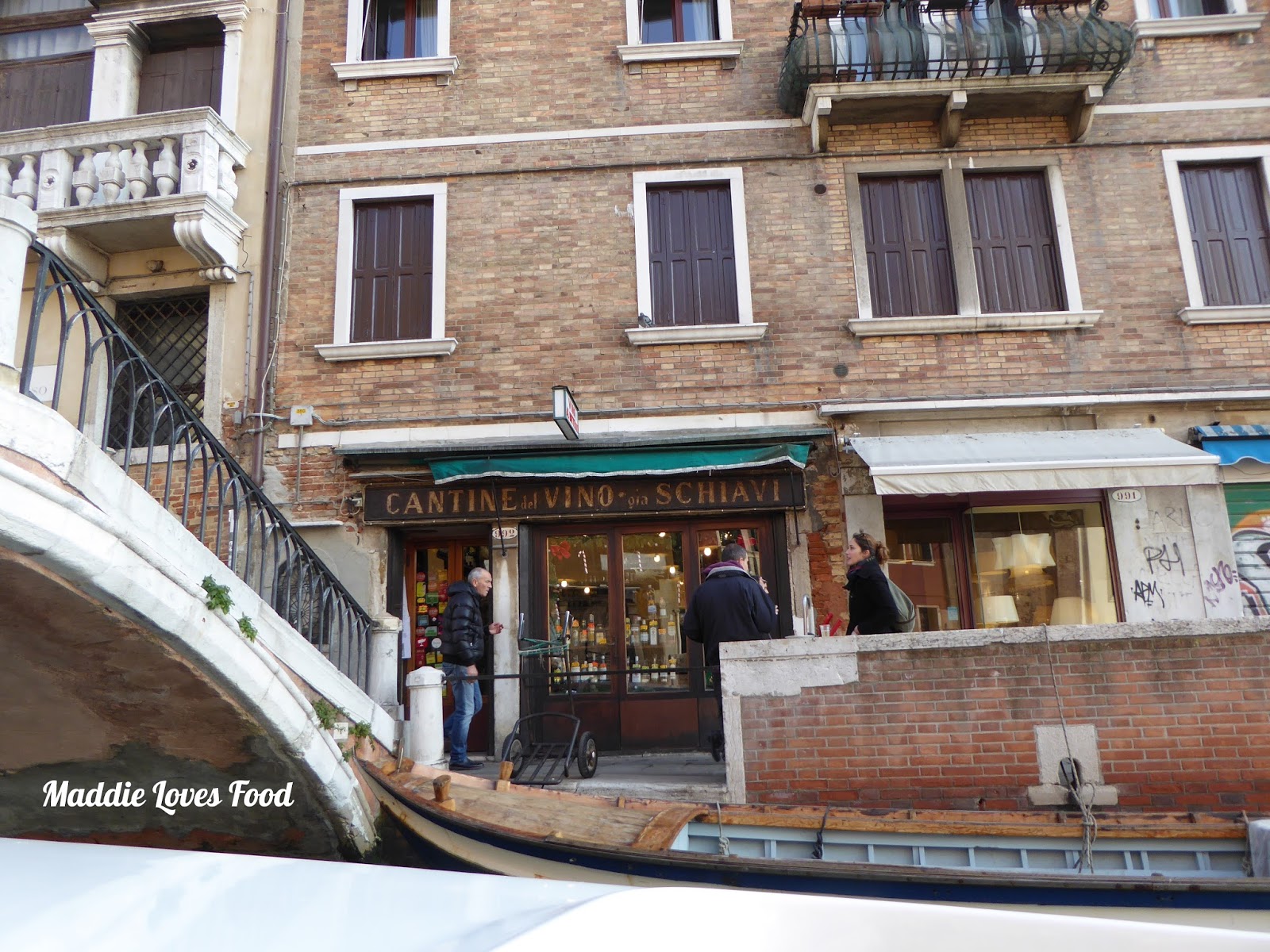

Breakfasts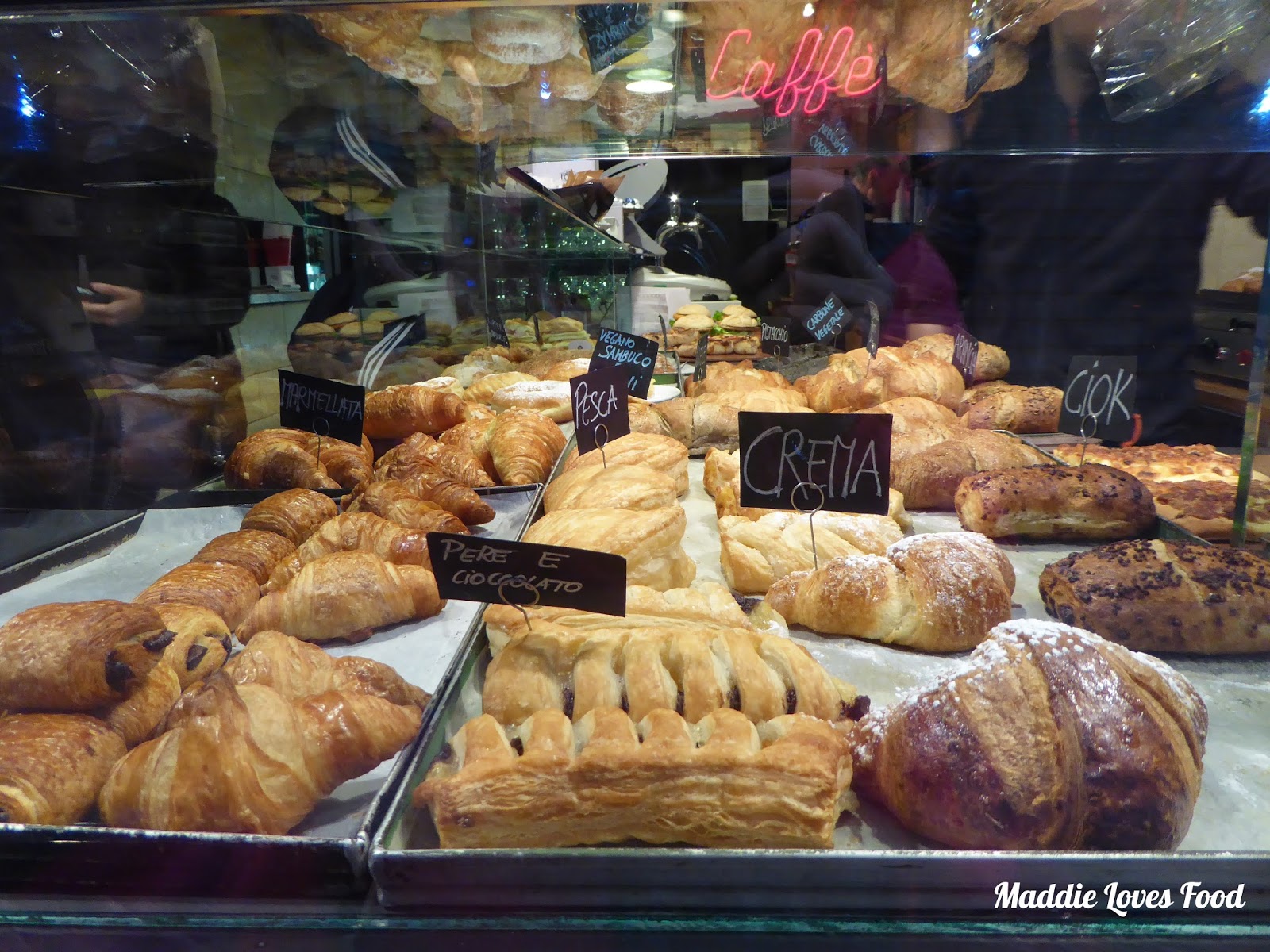
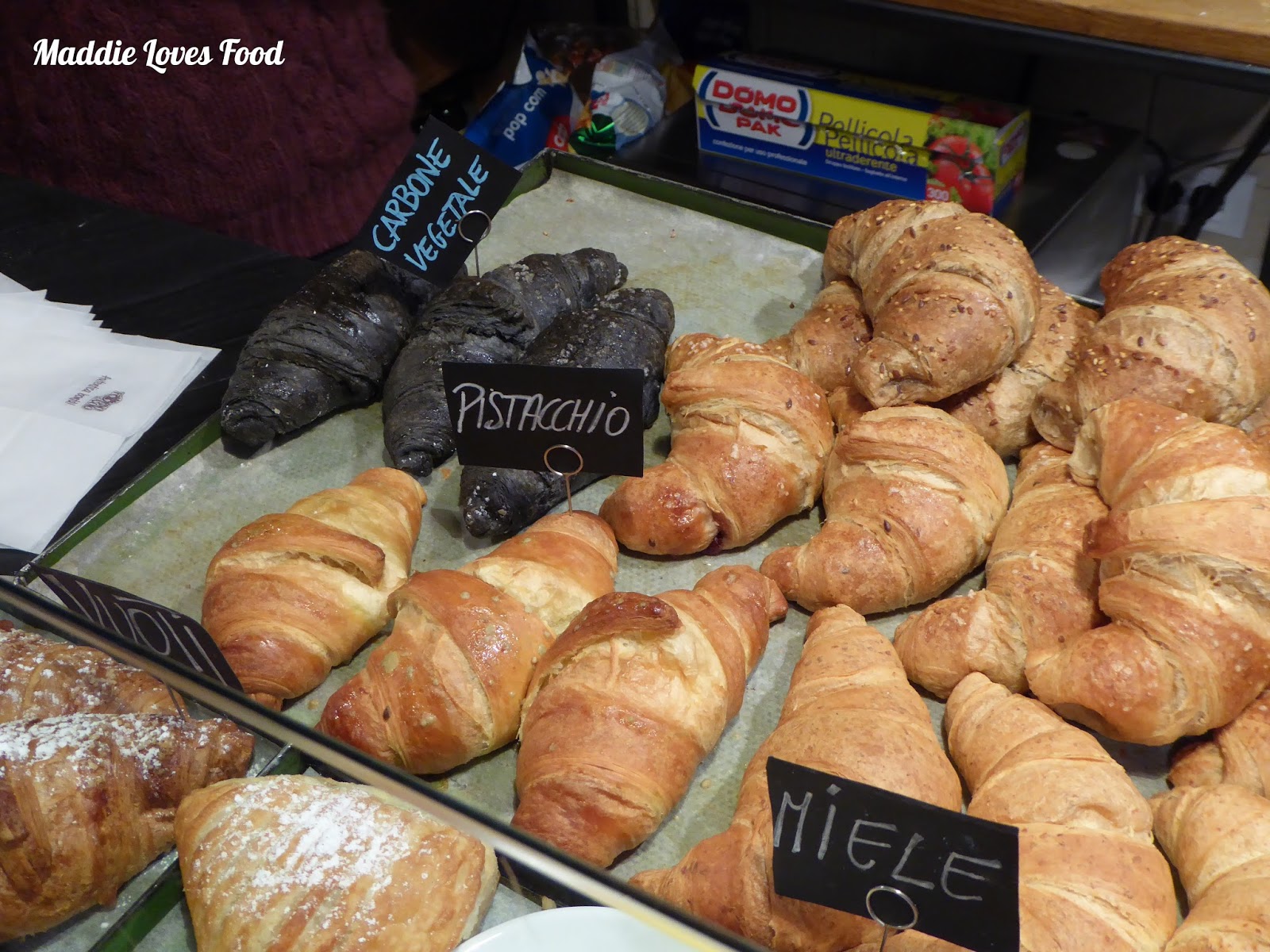
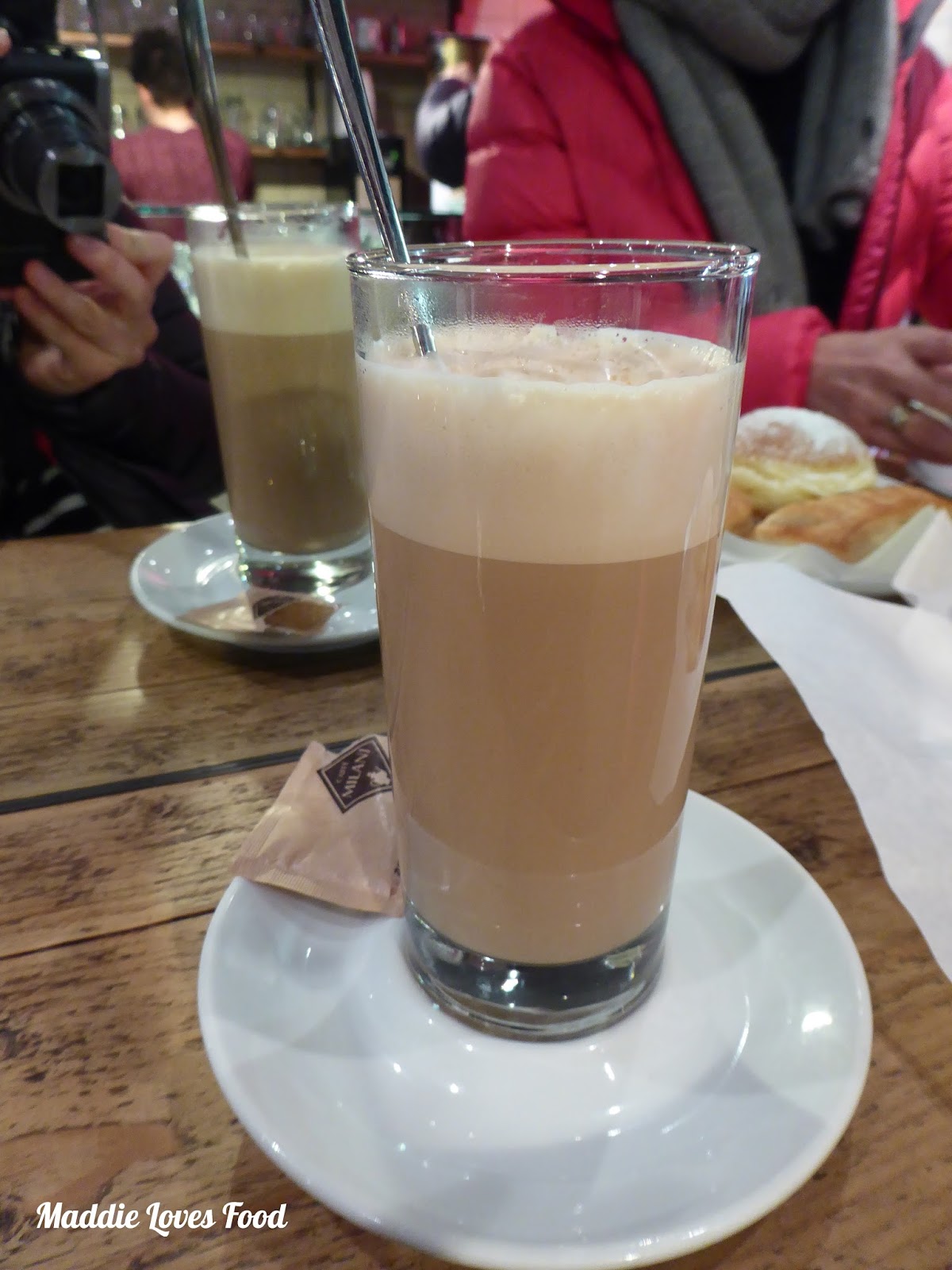
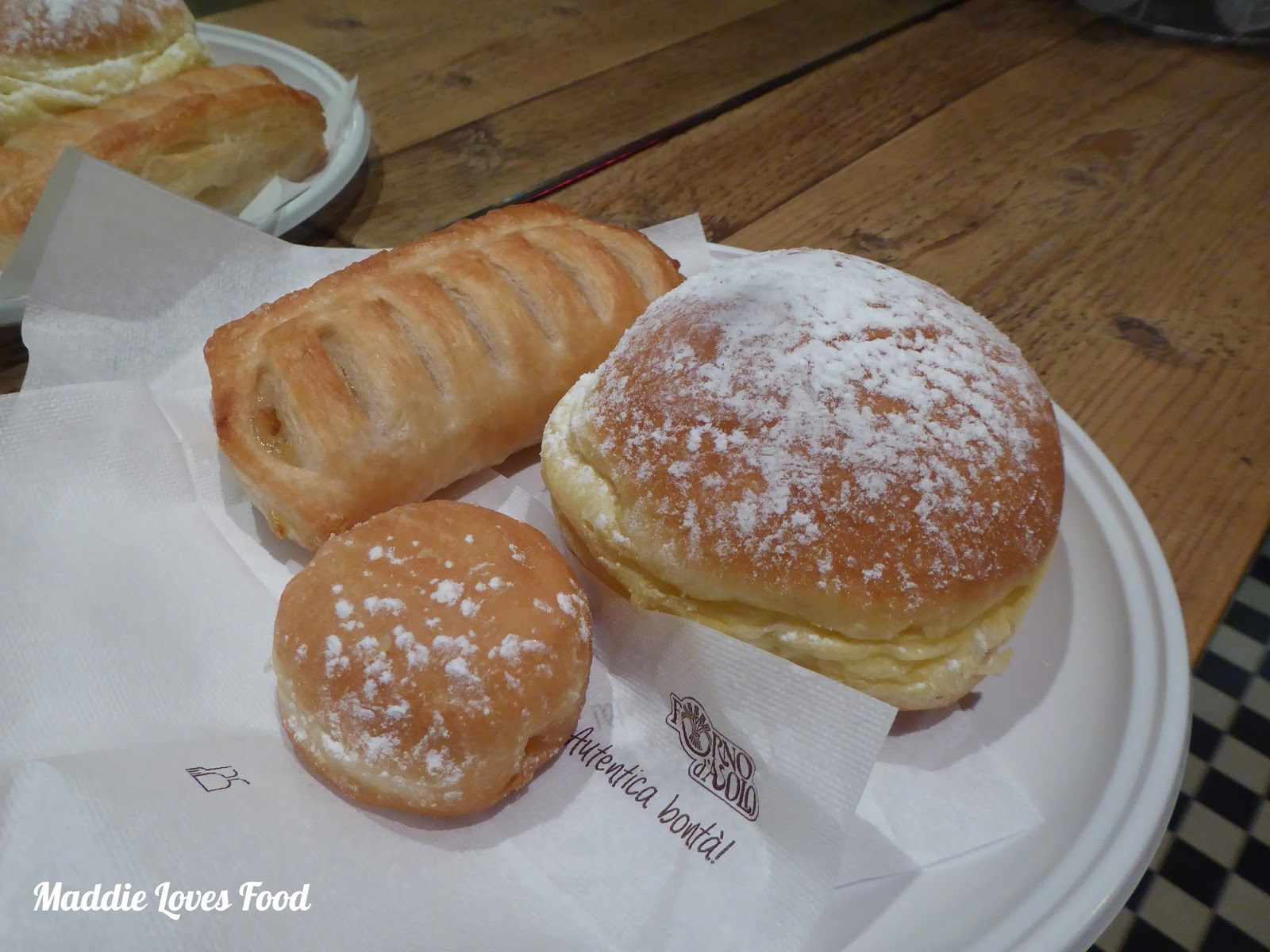
As is the norm in Italy, each morning we’d eat breakfast standing up at a tiny coffee and pastry shop. We delighted in sipping strong cappuccinos while nibbling on the freshest apple pastries and crema-filled doughnuts.
Murano: the Island of Glass
After a day of exploring Venice, we embarked on a ferry ride to the nearby island of Murano, which is famous for it’s handmade glassware. It’s a popular day trip among tourists, and is easily accessible by vaporetto. The ride takes about 10 minutes if you travel on line number 12 from Fondamente nove. 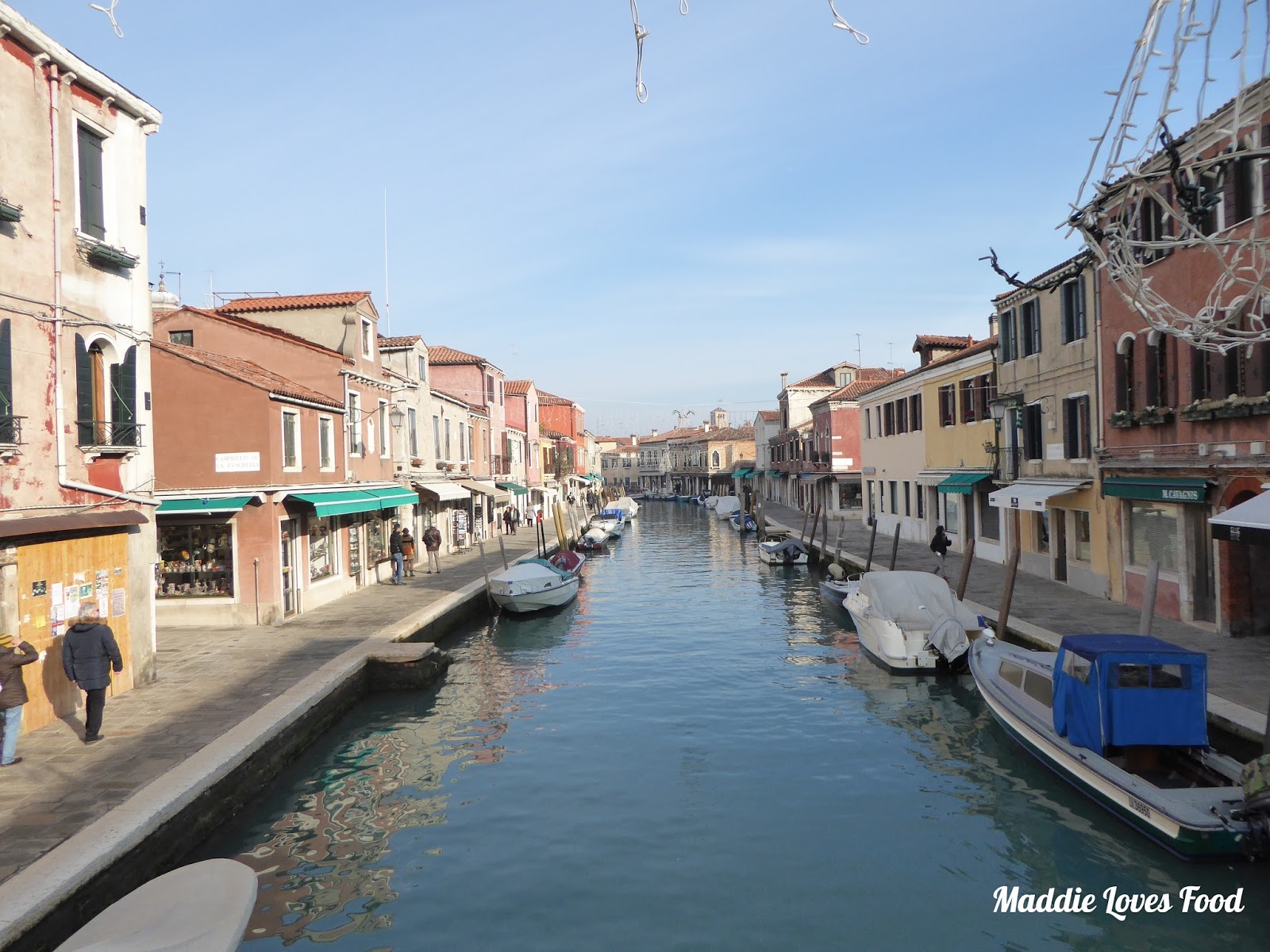
It’s a charming island, with one main shopping strip that is split into two by a wide canal. On both sides of the water is a long stretch of glassware shops, which showcase the island’s specialty products. The glass is formed into so many different objects which are fantastic as souvenirs – earrings, tiled glass necklaces, bowls and vases, and miniature ornaments which often feature fish suspended in different casings. We purchase a dimpled beer mug and tiny blue fish bowl, both of which are roughly the size of a walnut and feature a small orange fish which has been moulded inside.
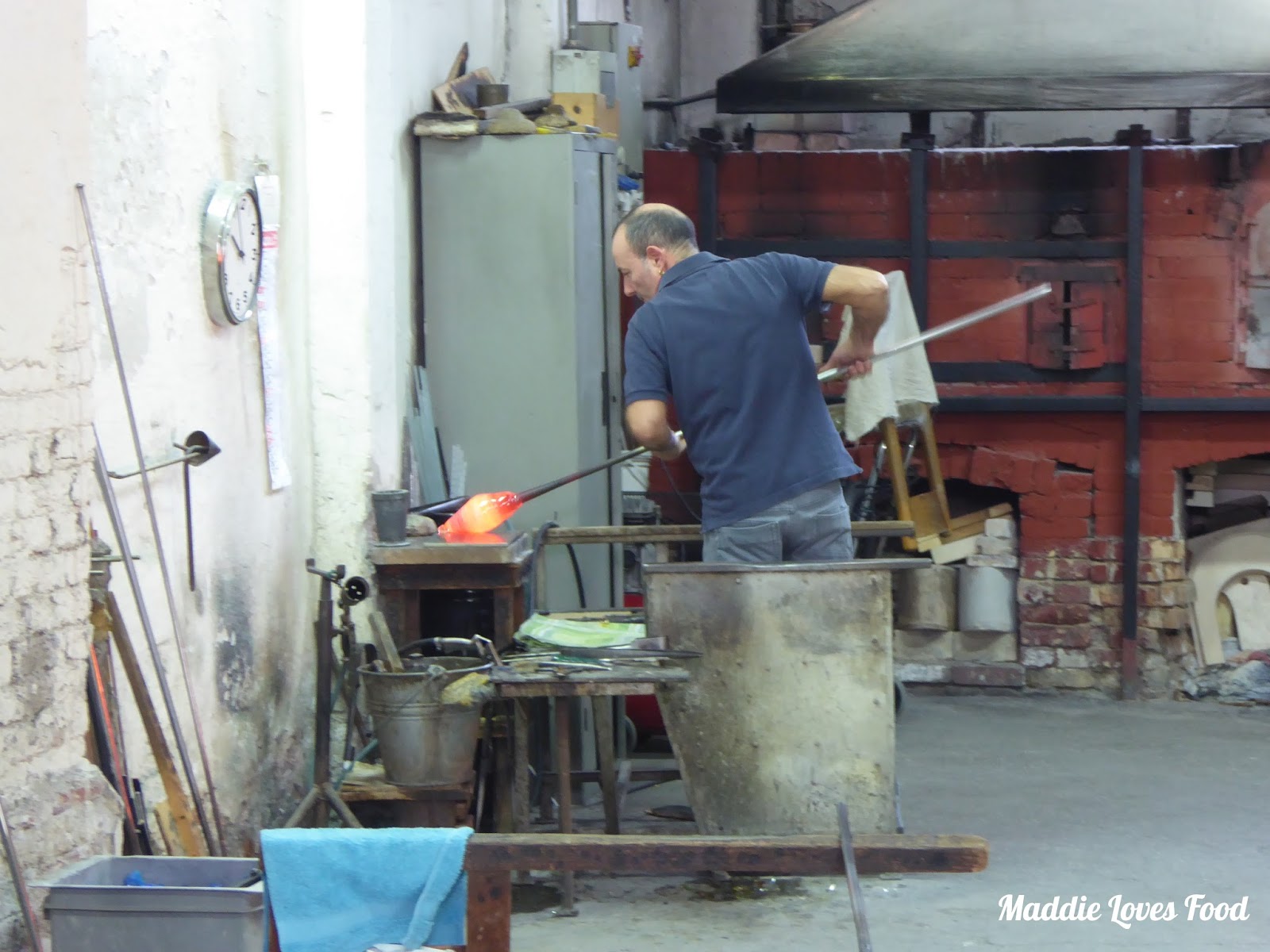
We also visited a glass factory, which made exquisite glass sculptures, tableware and other decorative homewares. There, we toured the open workroom where we were able to watch as silica sand was melted in a blasting hot furnace, then stretched, rolled and moulded into the most extraordinary and wonderful shapes.
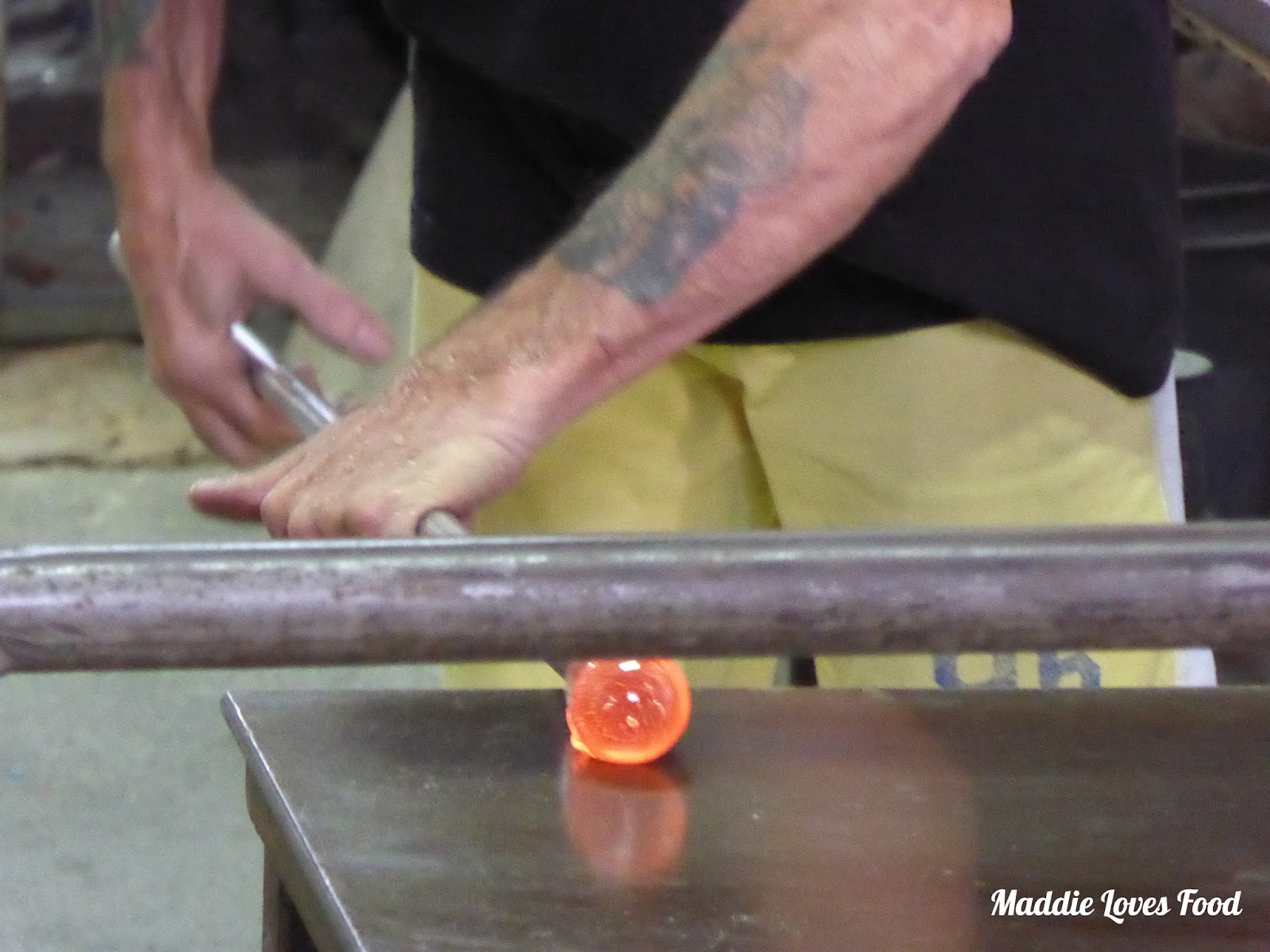
As with most other crafts, it takes years of training to become a glass master. Apprentices can train for up to ten years to attain this title, and it really is a skill that is developed over time.
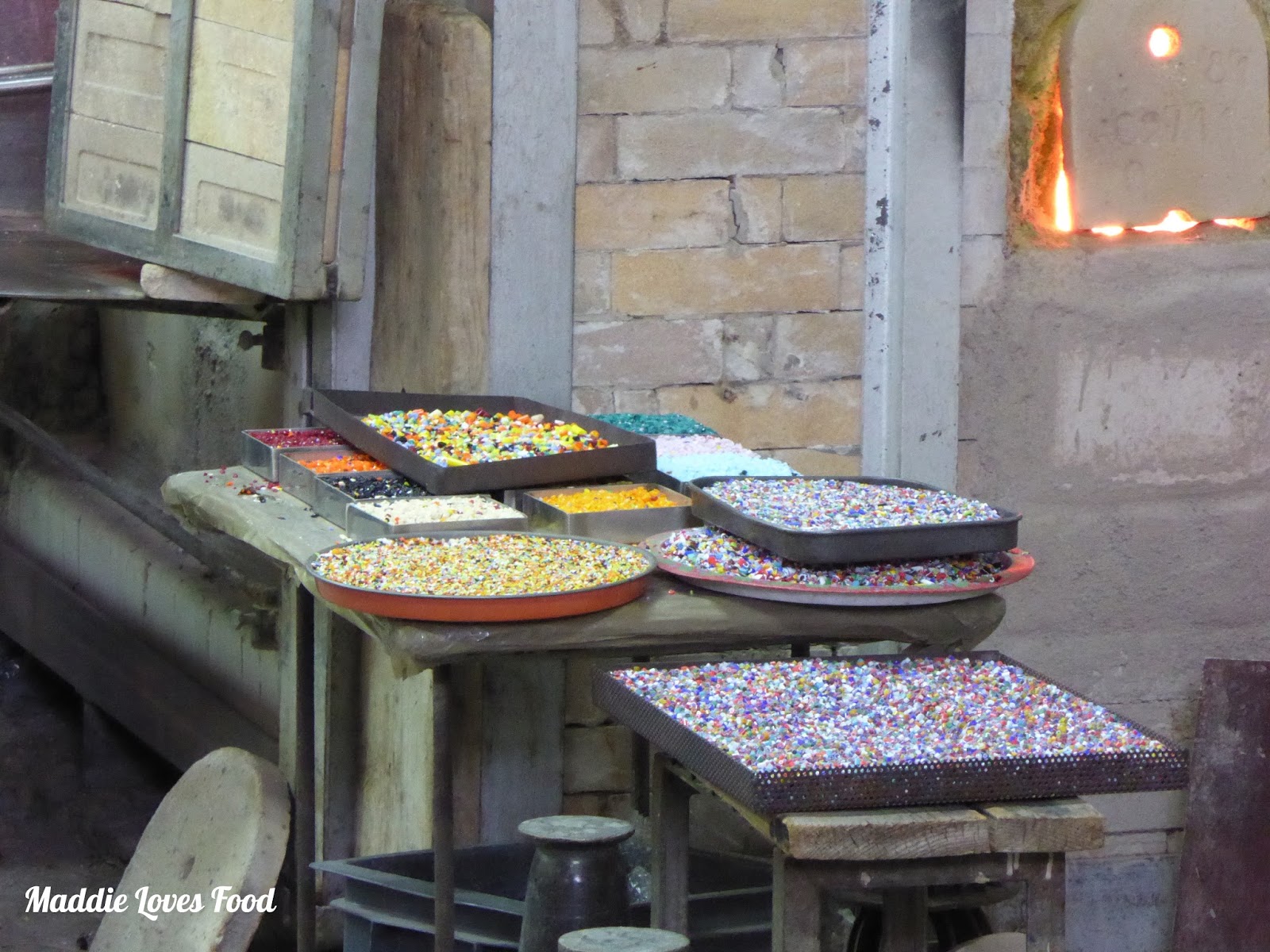
Throughout the moulding process, the glass is periodically dipped into a careful arrangement of mosaic beads, which give the desired colours to the finished product. They leak their colour into the clear, toffee-like mixture before it sets and cools.
Burano: the Island of Colour
If you go to Venice, you absolutely must visit Burano, which is a further 25-30 minute vaporetto ride from Murano. Burano is perhaps now as known as its glass-making neighbour island, and is a whole world away from the metropolis of Venice.
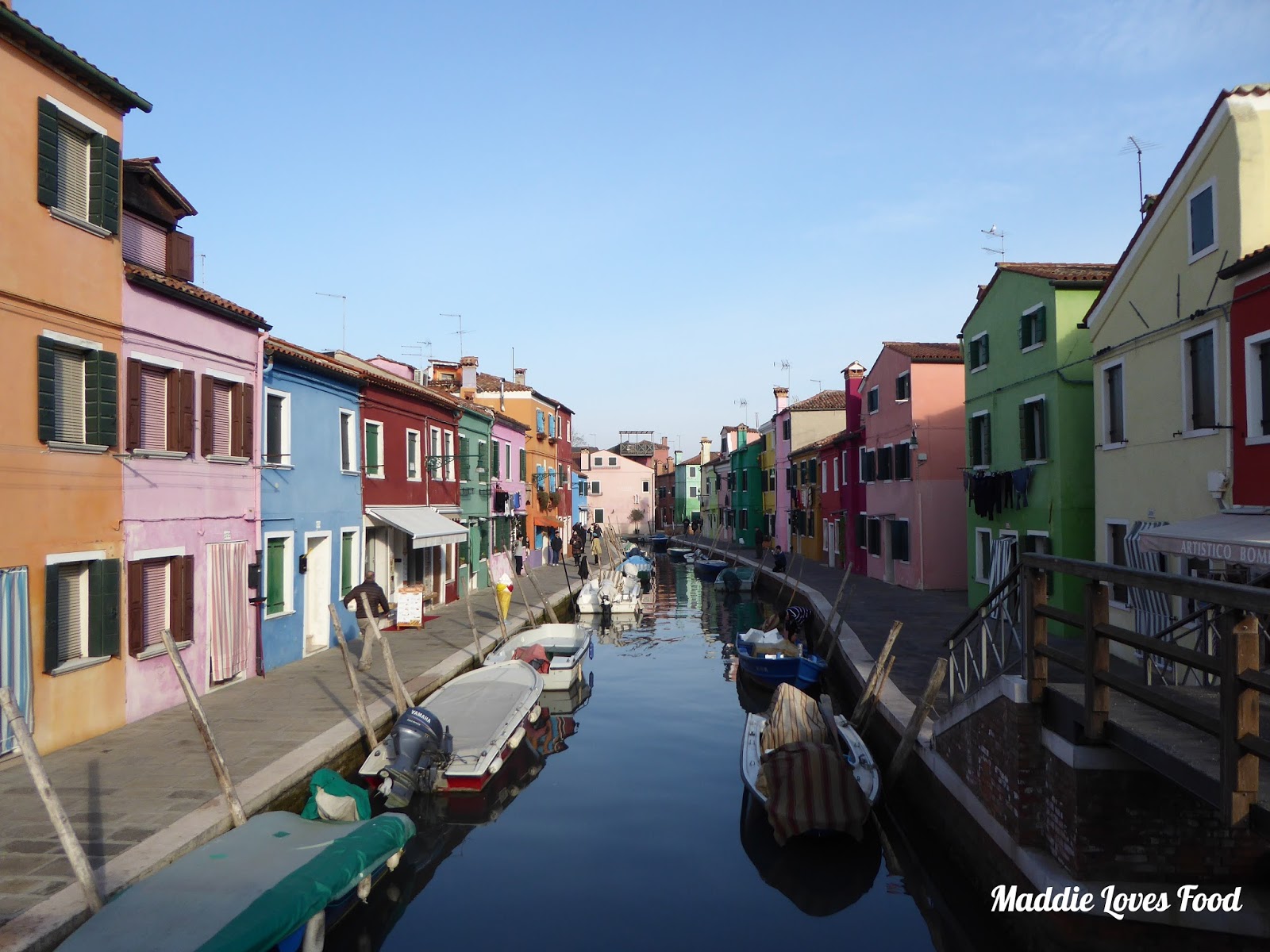
There is not a whole lot to do on the small island, but there is a lot to see. As soon as you hop off the ferry and onto the wharf, you’ll find rows and rows of cute, brightly-coloured houses that look as if they could pass as toy doll houses.
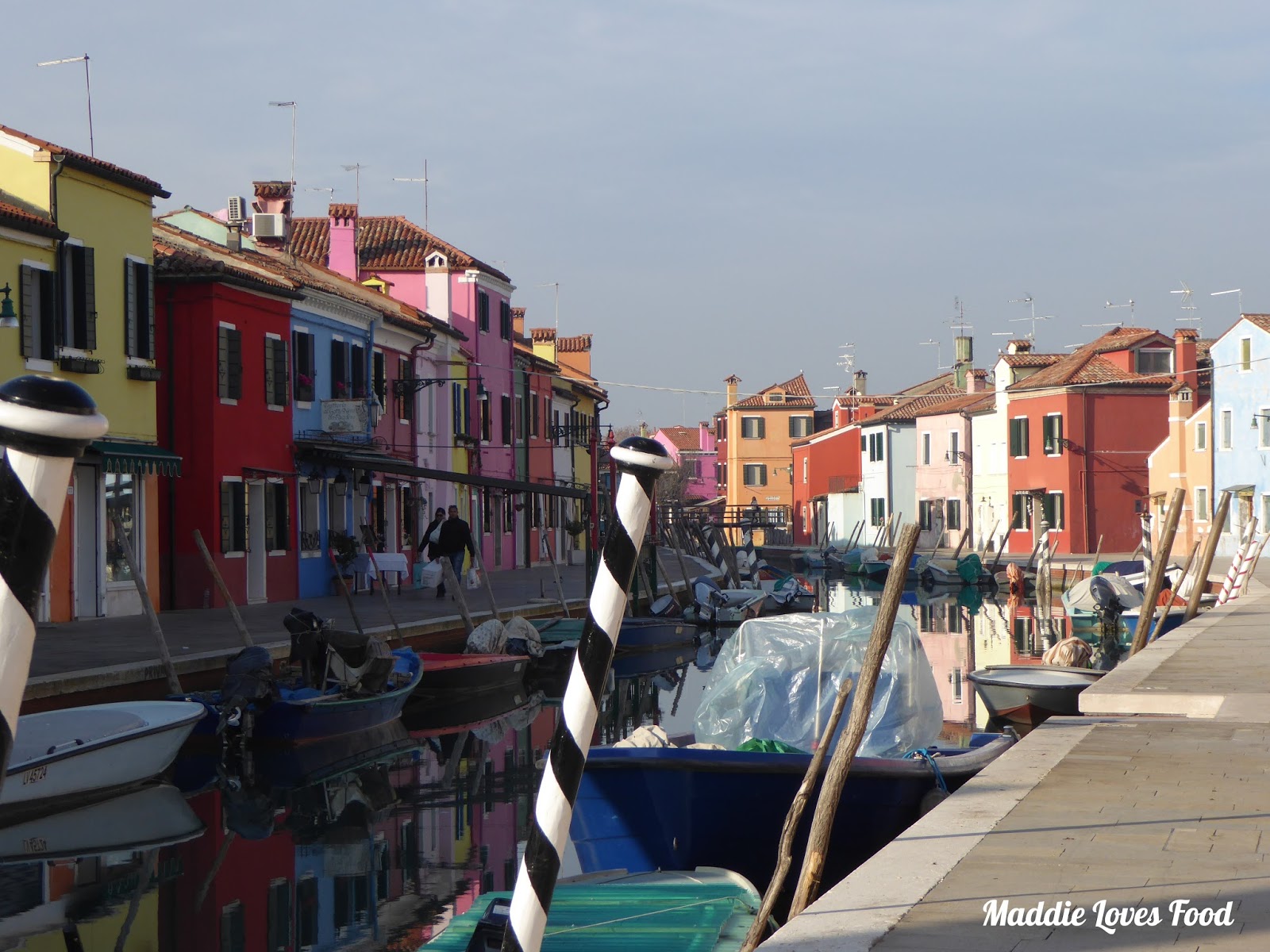
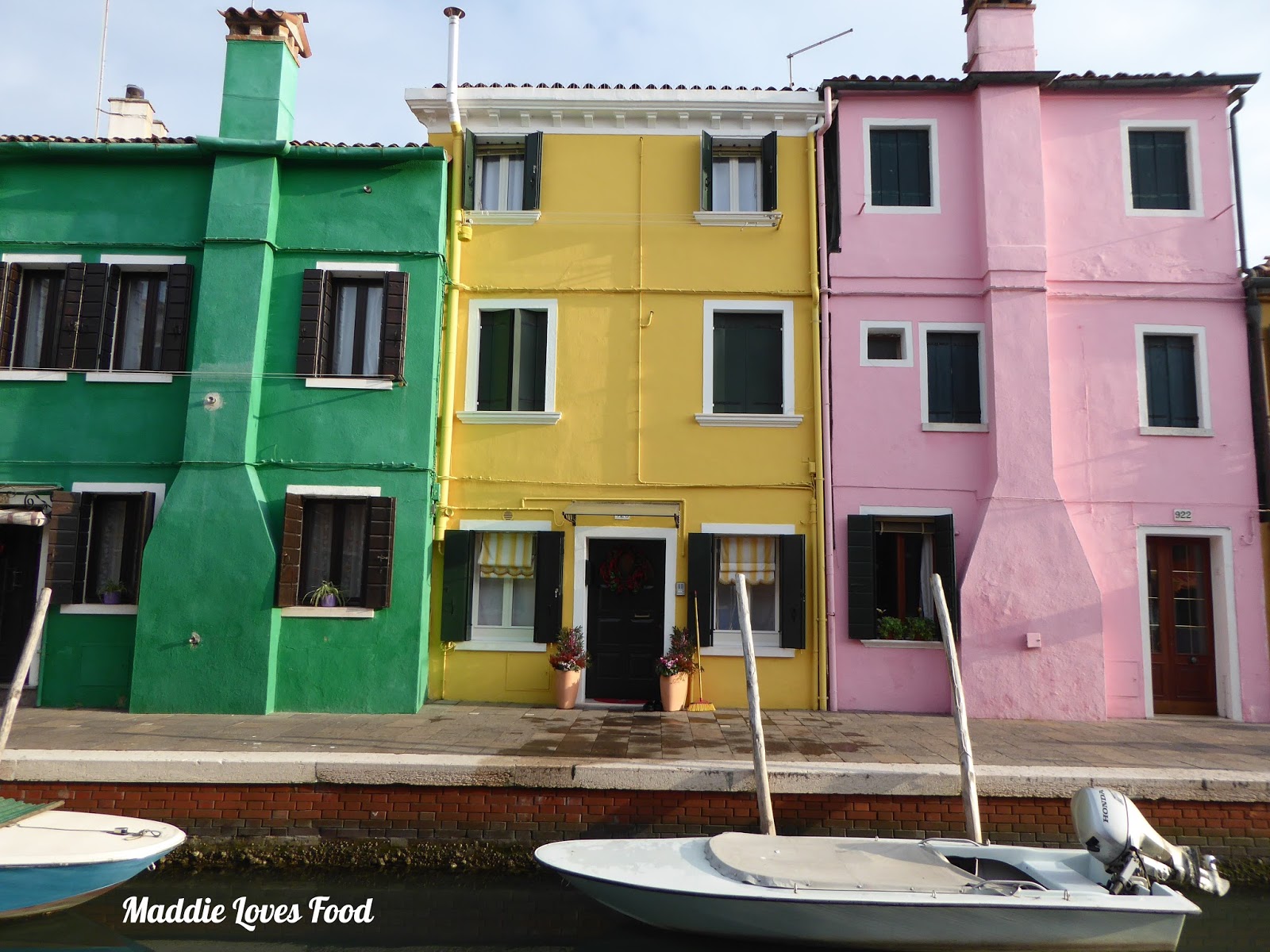
Each house has it’s own character, despite being more or less of the same size, build and configuration as every other house around it. We spend a good couple of hours wandering through the streets. It’s easy to forget that these are actually people’s houses, and not just display homes for tourists to hang around and take pictures of.
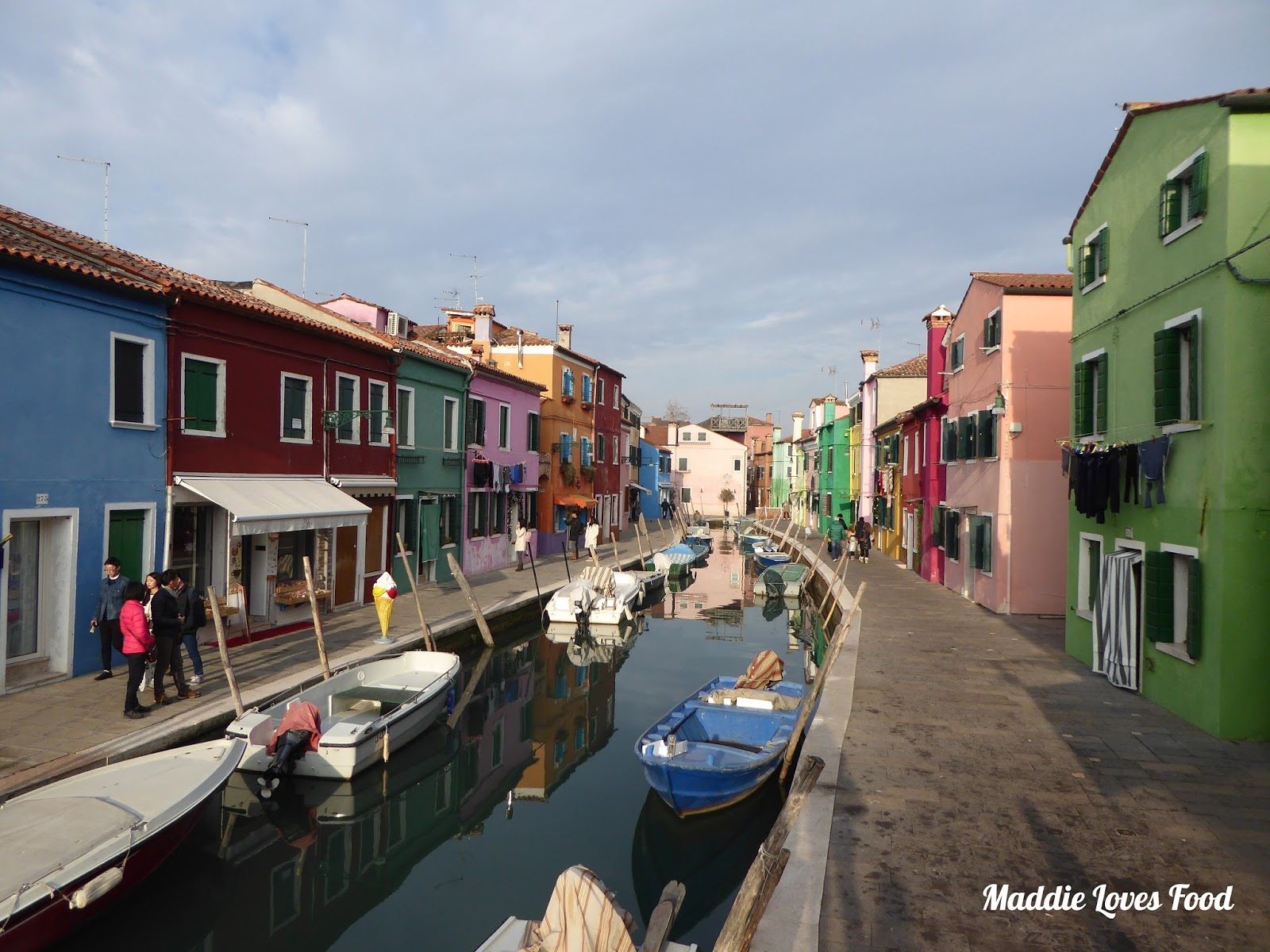
People dream of visiting Venice. It has that cult status as a city that one must see at least once in their lifetime. And rightly so, it’s a goregous, culture-rich city that is a joy to explore. But it’s not just Venice that is worth a trip – Murano and Burano are must-visits when you go to Venice.
One of the perks of visiting in Winter, as we did, was that it didn’t smell (as I’d heard from other people before I left Sydney), nor were there too many tourists, or bad weather. It was quaint, (relatively) quiet, and the weather was ideal for wandering around the canals and small streets.
This was the last city we travelled to on the Italian leg of our European trip. Next stop, Paris!
 Maddie Loves Food